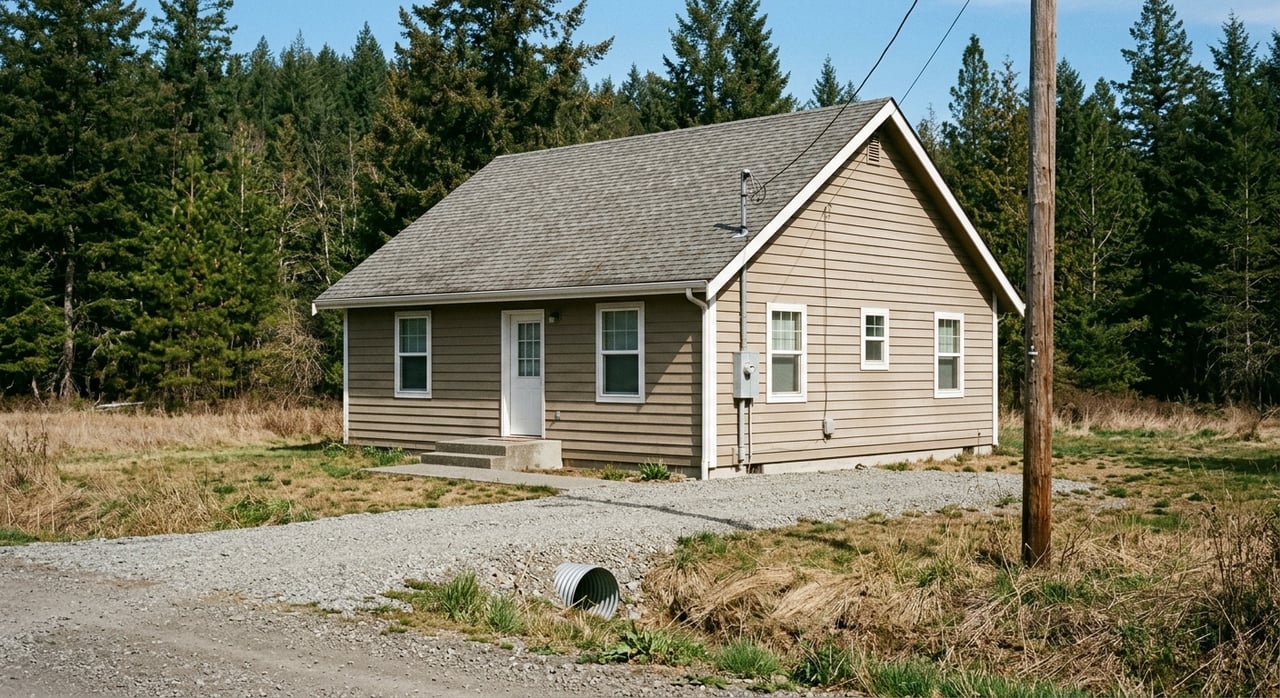
Buying Acreage Near Hermosa, SD: What To Know First
May 21, 2026
May 21, 2026
Looking at acreage near Hermosa can feel exciting right up until the practical questions start piling up. Can you build on it, access it year-round, connect to water, or install septic without surprises? If you want land in this part of the Southern Black Hills, the smartest first step is understanding how Hermosa and Custer County rules can shape what a parcel really offers. Let’s dive in.
One of the biggest things to know first is that acreage near Hermosa does not all fall under the same rules. Parcels inside the Town of Hermosa are subject to town zoning and permit requirements, while rural parcels outside town are generally governed by Custer County regulations for subdivision, access, roads, and wastewater.
That difference matters more than many buyers expect. Custer County states that it currently has no zoning or building codes in the county, but it still regulates access, road construction, and wastewater-related approvals. Inside town, the approval path can be more structured because Hermosa requires permits for major structures and most grading, along with compliance with local codes.
If you remember one thing, let it be this: before you fall in love with the view, confirm whether the property is in town or in the county. Two parcels with similar acreage can have very different development paths depending on where the boundary line falls.
Near Hermosa, “acreage” can mean a lot of different things. Current public listing samples include everything from a 9,148-square-foot lot and a 1.63-acre homesite to parcels of 26.48, 39.8, 64.04, and even 440 acres. Nearby Custer County listings also show 5.26-, 7.5-, 14.31-, 20-, 40-, and 60-acre parcels.
In practical terms, that means you should define what acreage means for your goals before you shop. A smaller homesite may fit a simpler build plan, while a larger tract may offer more room for privacy, animals, recreation, or future improvements. The land search gets easier when you start with your intended use instead of acreage alone.
Custer County’s subdivision ordinance also gives useful size bands to keep in mind:
These ranges can help you compare listings more clearly. They also give you a better sense of whether a parcel is likely to feel like an in-town homesite, an edge-of-town tract, or more traditional rural acreage.
When you buy acreage, access is one of the first things to verify. In Custer County, recorded access is defined as a permanent easement that provides legal access to an isolated tract, and private access roads or easements may be allowed in some subdivision setups.
That legal language matters because a visible road is not always the same thing as secure legal access. A path that has “always been used” may not give you the same certainty as a recorded easement or platted access. If access is unclear, future building, lending, and day-to-day use can all get more complicated.
Before you move forward, ask clear questions like these:
Those questions are especially important in a rural market where road service may be limited. Custer County’s highway department maintains 400 miles of gravel road and 5 miles of asphalt, which is a good reminder that county road conditions and maintenance expectations are different from what many buyers are used to in town.
Acreage buyers often focus on the homesite and the views, but the entry to the property deserves just as much attention. Custer County’s planning information says proof of ownership is required, an approach permit is needed to start construction, and the approach must be built to county specifications before a 911 address is issued.
That means your timeline may depend on more than just closing on the land. If the property does not already have an approved approach in place, you may need to plan for additional time, coordination, and cost before you can move ahead smoothly.
This is one reason local guidance matters on land purchases. A parcel can look straightforward online, but the real story often shows up in the permitting and site-access details.
Water is another major due-diligence item near Hermosa. Inside town, Hermosa operates a municipal wastewater system with a collection network and lagoon treatment facility, and the town has also noted ongoing drinking water infrastructure activity with plans for a new well.
For rural parcels, the picture can be different. One nearby option is the Hermosa Water Users Association, which serves more than 108 customers, draws groundwater from local wells, and averages 175,000 gallons per day according to its 2025 drinking water report.
Some properties may also rely on private wells. South Dakota DANR notes that rural water can be appealing because it is treated and avoids well-maintenance concerns, while private well use may involve state water-right rules and any required permit must be approved before drilling.
As you evaluate a parcel, confirm which of these situations applies:
A simple listing description is not enough here. You want documentation and clarity on what is already in place and what still needs to be approved.
In this market, septic is not a box to check at the end. It is a core part of your early review. South Dakota DANR says about 25% of state residents rely on on-site wastewater systems, and those systems must meet state installation requirements.
Custer County is also clear that septic permits are required whenever a system is installed, modified, replaced, or relocated. The county further states that only state-certified persons may install, repair, or upgrade septic systems in the county.
For buyers, the practical takeaway is simple: do not assume a rural parcel is ready for septic just because neighboring land has homes on it. You need to verify the property’s septic path, any existing permits, and whether prior work was completed by properly certified installers.
If the acreage is inside Hermosa town limits, your review should include more than lot lines and utilities. Hermosa’s zoning materials show that parcels may fall within districts such as Residential 1, Residential 2, Highway Service, Agricultural, Commercial, or General Industrial.
The town’s zoning application also calls for items such as a site plan, survey report, photos, and neighbor agreements, with approval by the Hermosa Board of Trustees required before commencement. That tells you right away that a town parcel may involve a more formal process than a similarly sized parcel outside town.
If your goal is to build, grade, reconfigure, or make future improvements, confirm the district and permit path early. This can save you time, money, and disappointment.
Acreage buyers sometimes focus only on the deed and forget the documents that shape how the land can be used. Near Hermosa, recorded plats, access maps, easements, covenants, and subdivision agreements can all affect your plans.
Custer County’s subdivision ordinance treats agreements and covenants as part of the supplemental materials that may be needed for subdivision development. It also states that subdivision-related building, grading, and wastewater permits are not approved within a newly platted subdivision until the final plat has been approved and recorded.
That is important if you are thinking long term. If you may want to split land, add improvements, or understand shared obligations, these documents can tell you much more than a listing summary ever will.
Floodplain review matters too. Hermosa’s plat application states that if any property is in the flood plain, a floodplain development permit is required. Even if flood issues are not top of mind when you tour land, they should be part of your document review before closing.
Acreage purchases near Hermosa are often won or lost in the paperwork. The goal is to confirm what the parcel is, how it is accessed, and what approvals or restrictions already exist.
Ask for these items as part of your due diligence:
This checklist may sound detailed, but that is the nature of land in this area. The more clearly you document the parcel, the more confidently you can move forward.
If you are just starting your search near Hermosa, it helps to slow down and review each parcel in the same order. That keeps emotion from outrunning the facts.
A practical first-pass review usually looks like this:
That process may not be flashy, but it is the kind of groundwork that protects you. In a market like this, good land decisions are built on careful verification.
Buying land near Hermosa is about more than finding open space. It is about understanding how town rules, county standards, access, water, septic, and recorded documents all come together on one specific parcel.
That is where local experience can make a real difference. When you work with someone who understands Southern Black Hills land, you can sort through the practical questions sooner and focus on properties that truly fit your plans.
If you are thinking about buying acreage near Hermosa, Amanda Carlin can help you evaluate the details that matter most and guide you through the search with clear, grounded local insight.
Our deep local expertise and commitment to our clients ensure a smooth and informed real estate journey. We're here to guide you every step of the way, sharing insider knowledge on the best neighborhoods, schools and local gems.