Southern Black Hills Small-Town Living: A Quick Guide
April 23, 2026
April 23, 2026
If you are dreaming about small-town life in the Black Hills, the hardest part is often not choosing whether to move here. It is choosing which town fits your day-to-day life best. In the Southern Black Hills, each community offers a different mix of scenery, pace, services, and access to the places people come here to enjoy. This quick guide will help you compare the area’s main towns so you can narrow your shortlist with more confidence. Let’s dive in.
The Southern Black Hills function more like a connected corridor than a group of isolated towns. You are never far from the region’s biggest outdoor anchors, including Custer State Park, Wind Cave National Park, Mount Rushmore, and the George S. Mickelson Trail.
That connected feel matters when you are house hunting. A home in one town can still give you easy access to trails, scenic drives, and nearby services, but the daily rhythm will feel very different depending on where you land.
For most buyers, the biggest tradeoff is services versus quiet. Some towns offer a busier year-round feel with more dining, community spaces, and day-to-day convenience. Others offer more breathing room, a slower pace, and a more rural setting.
A simple first pass looks like this:
Custer is often the most balanced option in the southern corridor. It works well if you want a true small-town setting with access to outdoor recreation, local dining, community spaces, and everyday services without losing that Black Hills feel.
The town is described as a year-round basecamp, and that shows up in daily life. You have access to the Mickelson Trail, local parks, and recreation spaces like Way Park, plus strong access to Custer State Park.
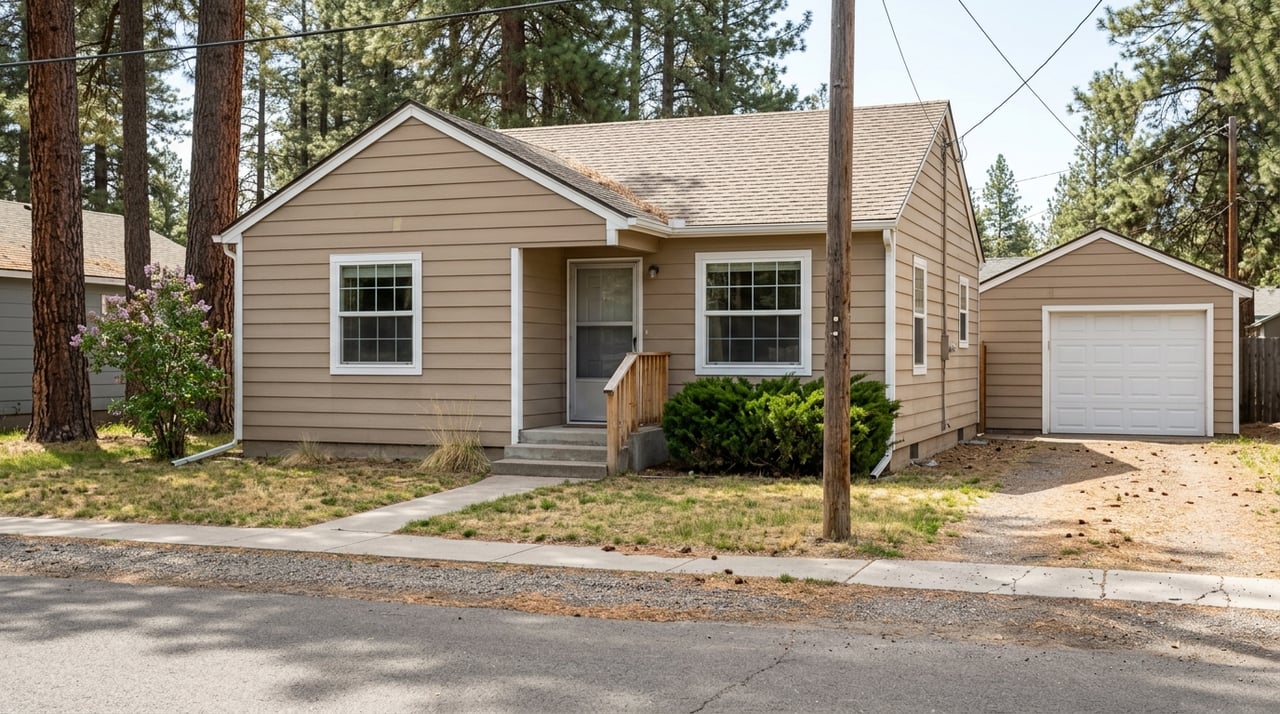
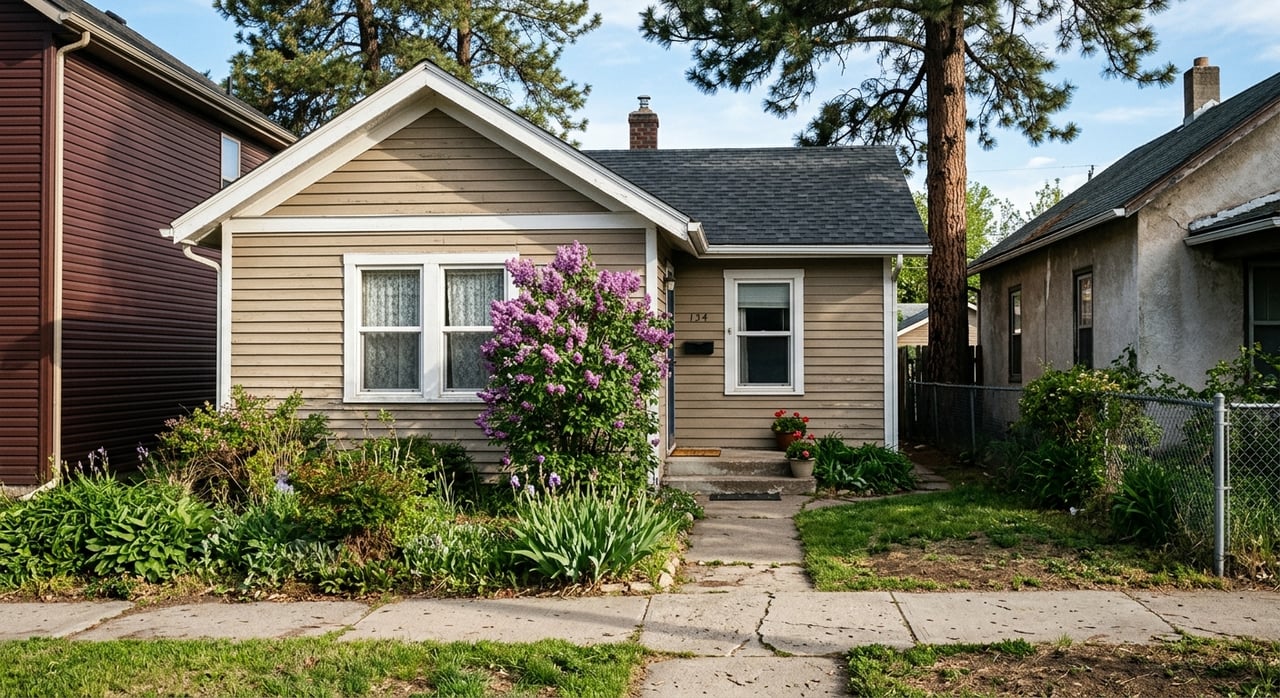
From a housing perspective, Custer appears to offer one of the broadest mixes in the region. State and local examples suggest everything from older in-town homes and bungalow-style properties to cabin-style homes and edge-of-town settings with a little more room.
If you want a town that feels lived in year-round and still closely tied to the outdoors, Custer is often the easiest place to start.
Hill City has a distinct personality. It is known as the “Heart of the Black Hills,” and it stands out for its combination of trails, galleries, shops, and access to major attractions like Mount Rushmore, Crazy Horse, and the 1880 Train.
This is one of the more walkable-feeling towns in the area, especially in and around downtown. It tends to appeal to buyers who want year-round activity nearby and enjoy a setting where visitors, cyclists, and day-trippers are regularly part of the scene.
The housing feel appears more cabin-oriented and forest-edge than subdivision-based. Based on the town’s lodging mix and setting, you are more likely to picture smaller homes, cabins, and wooded or hillside properties than large tracts of similar houses.
Keystone is the clearest tourism-centered town in the Southern Black Hills. Tourism is the town’s primary industry, and the local mix of lodging, attractions, boardwalk spaces, museums, and entertainment reflects that.
If being close to Mount Rushmore is your top priority, Keystone can be appealing. But it is also important to understand the tradeoff. This town is more seasonal, more visitor-driven, and less neighborhood-like than some of the other options on this list.
Its housing stock also appears more limited and more shaped by tourism. Based on the visible built environment and the town’s historic development, the market likely includes smaller in-town homes, mixed-use properties, and vacation-oriented structures rather than a traditional suburban pattern.
Hermosa offers a quieter feel than the tourism hubs. The town sits about 20 miles northeast of the Custer State Park entrance, about 15 miles east of Mount Rushmore, and roughly 17 miles south of Rapid City, making it a practical gateway location.
For buyers who want access to the Black Hills without living in the middle of visitor traffic, Hermosa deserves a closer look. Its official materials highlight civic life and community identity, and the pace reads as more local and more residential.
The housing mix appears to include conventional single-family homes, manufactured homes, and possibly edge-of-town or acreage properties. That reading comes from the town’s government permit structure, which separates residential building and manufactured-home moving categories.
Hot Springs stands out as one of the most complete service towns in the southern corridor. It combines regional access with a strong historic identity, and it serves as a base for day trips while offering more year-round infrastructure than the most tourism-dependent towns.
This town is closely tied to places like Wind Cave National Park, Evans Plunge, and the Mammoth Site. It also has a distinctive built environment. The South Dakota State Historical Society notes that sandstone is the defining architectural characteristic in Hot Springs, and local visitor materials also highlight Victorian architecture and century-old sandstone buildings.
That gives Hot Springs a very different housing feel from the cabin-heavy parts of the Black Hills. Buyers may find older masonry homes, historic cottages, and preserved downtown buildings alongside newer residential areas.
Pringle is the quietest-feeling stop in this group. It has a very small service footprint, and publicly visible anchors are limited, which gives it more of a rural crossroads identity than a developed town-center feel.
For some buyers, that is exactly the appeal. If you want quiet, space, and a slower pace, and you are comfortable driving for most services, Pringle may feel like a natural fit.
Its housing market likely trends toward detached homes, rural parcels, and limited inventory. Compared with the other towns in the corridor, it reads as the least commercial and most purely small-town in character.
Across the Southern Black Hills, the housing stock does not read like a typical suburban tract market. The region tends to lean toward detached homes, cabins, wood-accented properties, historic homes in older town cores, and acreage or ranch-style parcels on the edges of town.
That pattern reflects the region’s history, tourism economy, forested settings, and rural land use. In practical terms, your search may focus less on subdivision names and more on questions like lot size, access, privacy, proximity to town, and how much seasonal activity you want nearby.
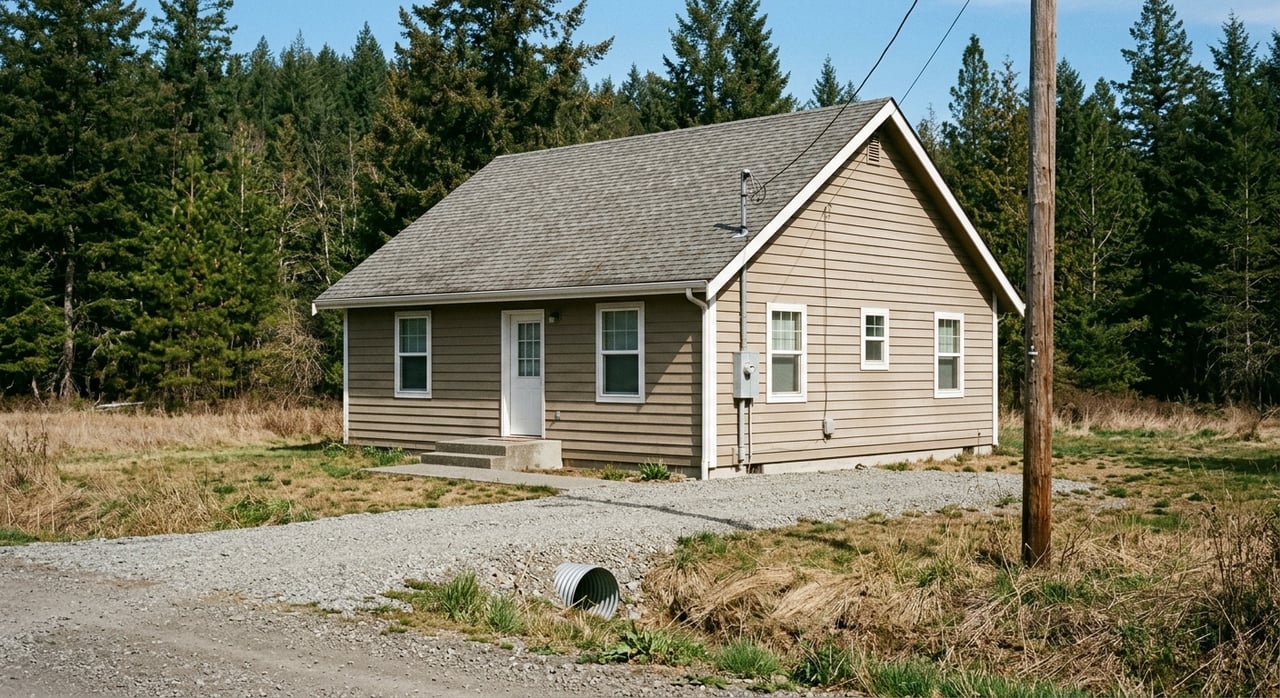
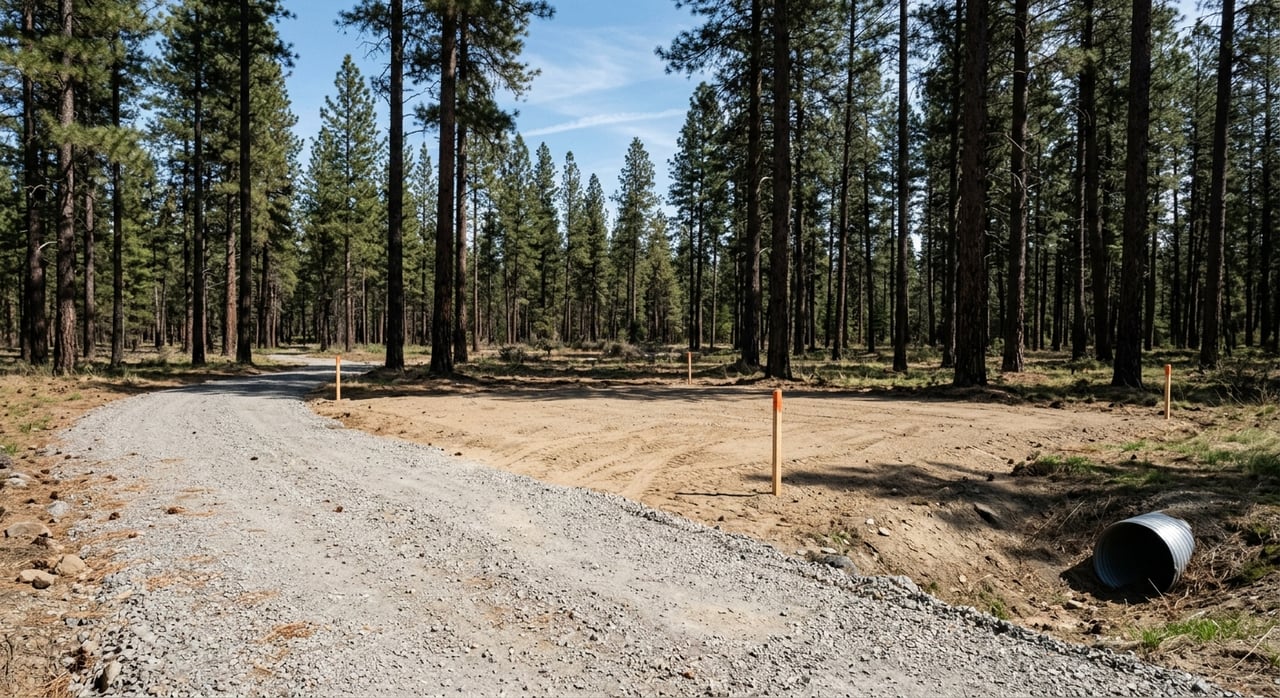
For buyers considering land, acreage, or lifestyle properties, that local context matters. Two homes with similar square footage can offer very different experiences depending on road access, setting, and distance from services.
If you are deciding where to focus your home search, start with how you want everyday life to feel. Think about your pace, your priorities, and how much convenience or quiet matters to you.
Here is a simple way to frame it:
No matter which direction you are leaning, the best next step is usually to compare towns in person and look at how each setting fits your routine, not just your wish list.
If you are exploring a move in Custer or anywhere in the Southern Black Hills, Amanda Carlin can help you weigh lifestyle, land, and long-term fit so you can move forward with confidence.
Our deep local expertise and commitment to our clients ensure a smooth and informed real estate journey. We're here to guide you every step of the way, sharing insider knowledge on the best neighborhoods, schools and local gems.