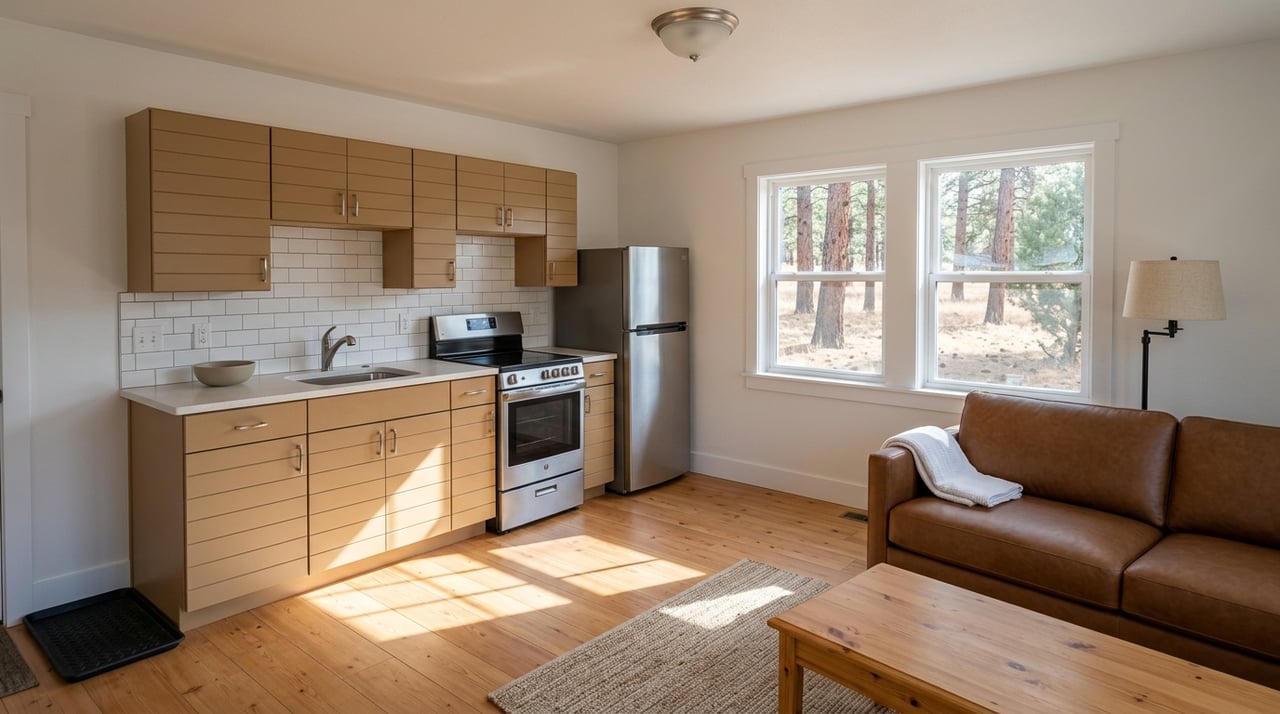
Turning Your Hill City Cabin Into A Vacation Rental
April 16, 2026
April 16, 2026
If you own a cabin in Hill City, you may be sitting on more than a weekend getaway. With Hill City positioned near major Black Hills attractions like Mount Rushmore, Crazy Horse Memorial, Custer State Park, Black Hills National Forest, and the 1880 Train, it naturally draws visitors looking for a central home base. If you are thinking about turning your cabin into a vacation rental, the key is to treat it like a real business from day one. In this guide, you will learn what to check before you list, how to prepare your property, and how to think about the long-term value of your cabin. Let’s dive in.
Hill City benefits from its location in the heart of the Black Hills tourism corridor. The City of Hill City highlights its proximity to several of the region’s most visited destinations, which helps explain why travelers often use the area as a convenient base for day trips and outdoor recreation.
State tourism data also supports that pattern. According to South Dakota’s 2024 visitor profile, travel is strongest in summer, with June as the peak month, and the West Region accounted for 38.4% of visitors. That means your cabin may see the most interest during summer and other high-travel windows.
Public market data from AirDNA’s Hill City overview shows 275 active short-term rental properties, 55% occupancy, a $263 average daily rate, and roughly $25.2K in annual revenue. It also shows that 92% of the market is made up of entire homes, which is helpful if you are comparing your cabin to similar listings.
Before you buy furniture, hire a cleaner, or create an online listing, make sure your cabin can legally operate as a vacation rental. In Hill City and the surrounding area, the rules can vary sharply depending on whether the property is inside city limits or in unincorporated Pennington County.
Hill City requires business registration for businesses operating in the city. The municipal code says registration must be completed within 30 days of starting business and renewed annually by December 31. The city also notes that the online code is for general reference, so owners should contact City Hall with questions.
Zoning matters too. Hill City’s zoning code defines vacation rentals and allows nightly vacation rentals in commercial Division 3 zones. The code also states that accessory dwelling units may not be used for short-term nightly rentals or bed-and-breakfast use.
A 2024 report from South Dakota News Watch says Hill City voters banned new short-term rentals in residentially zoned areas, with exceptions for existing operations, owner-occupied portions of homes, and bed-and-breakfasts. The same report notes that existing residential short-term rentals lose that use if the property changes ownership.
If your property is outside incorporated municipalities and in unincorporated Pennington County, different rules apply. Pennington County’s Vacation Home Rental program states that vacation home rentals need a license, the fee is $150 every three years, and the license is not active until 21 days after approval. The county also generally caps a vacation home rental at five bedrooms and 14 guests, or the on-site wastewater capacity, whichever is smaller.
South Dakota requires more than just a local registration in many cases. The South Dakota Department of Health requires a lodging establishment license for a vacation home, bed and breakfast, hotel, or specialty resort. The state outlines a five-step process that includes a licensing packet, plan review materials, department review, inspection, and final approval.
Taxes are another major piece of the setup. Inside Hill City, the city imposes a 2% municipal sales and use tax, plus an additional 1% tax on lodging stays under 28 days and certain food, alcohol, and amusement sales, according to the city’s tax ordinance information.
At the state level, South Dakota has a 4.2% sales and use tax and a 1.5% tourism tax on lodging and related services. When you build your nightly rates, these taxes should be part of the math so you do not underprice the property from the start.
A successful vacation rental is not just a cabin with a lockbox. It needs to function smoothly for guests who may arrive tired, late, or with children in tow. The goal is to make the stay easy, safe, and accurately represented.
Airbnb’s guest essentials guidance says guests expect basics like toilet paper, soap, one towel per guest, one pillow per guest, and linens for each guest bed. It also recommends working locks, accurate amenity listings, and regular review of what is actually in the home.
Safety should be part of your baseline setup. Airbnb strongly urges smoke and carbon monoxide alarms in spaces with fuel-burning appliances and suggests having a fire extinguisher and first-aid kit available. Even when not specifically required by a local rule you have reviewed, these items help create a safer and more dependable guest experience.
The local visitor mix offers useful clues for how to furnish your cabin. South Dakota’s visitor profile found that the average vacation-rental travel party was 3.4 people, and 63.5% traveled with children. That suggests many bookings may come from small groups or families rather than large event-style gatherings.
With that in mind, practical features can go a long way:
These choices are not local legal requirements. They are practical decisions based on visitor patterns and common guest expectations.
In Hill City, operational details matter just as much as décor. According to South Dakota News Watch, recurring issues around short-term rentals have included trash, parking, and trespassing. If you want fewer problems and better reviews, address those points clearly before the first booking.
Your cabin should have easy-to-follow guidance on where guests should park, when quiet hours begin, how trash should be handled, and who to contact if something urgent comes up. Clear instructions can help protect your property and reduce friction with neighbors.
A simple welcome book or digital guide can help. It does not need to be fancy. It just needs to answer the questions guests are most likely to have before they become problems.
Pricing a Hill City cabin like a year-round suburban rental can leave money on the table. South Dakota’s 2024 visitor profile shows that summer is the peak travel season, with June as the strongest month. That gives you a solid starting point for setting higher peak-season rates and adjusting lower in softer periods.
AirDNA’s public Hill City data can also help you understand the broader market. While every cabin is different, local occupancy, average daily rate, and annual revenue benchmarks give you a starting frame for testing your pricing against current conditions.
You should also think about distribution. AirDNA shows demand spread across both Airbnb and Vrbo, so relying on a single platform may limit your reach. The annual Black Hills & Badlands Vacation Guide ecosystem is also worth keeping in mind as part of the region’s broader tourism visibility.
Guests do not separate cleanliness from value. If the cabin is dusty, poorly stocked, or inconsistent with the listing, the entire stay feels weaker. Cleaning and maintenance should be treated as part of what you are selling.
Airbnb’s host standards say homes should be clean, free of known health hazards, and cleaned between stays. The platform also advises hosts to review amenities regularly so the listing stays aligned with the actual guest experience.
That means your turnover checklist should go beyond fresh sheets. It should include testing locks, checking supplies, confirming safety items are in place, and making sure listing photos and amenity descriptions still match reality.
Turning a Hill City cabin into a vacation rental can create income, but it should also fit your larger ownership plan. Hill City’s 2022 housing study found that many homes have shifted from permanent housing to vacation or seasonal use, reducing the housing stock available to residents.
For you as an owner, that means it is smart to ask a few bigger questions. Is this cabin best used as a true investment property, a part-time family retreat, or a longer-term hold with future resale in mind? In some cases, the best move is not simply maximizing bookings, but aligning the property with your long-term goals and the rules that apply to its location.
If you are weighing whether to buy, sell, or reposition a cabin in Hill City or the Southern Black Hills, working with a local advisor can help you look at the full picture. Amanda Carlin brings a grounded, place-based approach to lifestyle and investment decisions across the Black Hills, with guidance shaped by local market knowledge and long-term stewardship.
Our deep local expertise and commitment to our clients ensure a smooth and informed real estate journey. We're here to guide you every step of the way, sharing insider knowledge on the best neighborhoods, schools and local gems.