Is Living in Hot Springs SD Right for You?
April 2, 2026
April 2, 2026
Looking for a Southern Black Hills town with a slower pace, strong local character, and easy access to both outdoor recreation and everyday services? Hot Springs, South Dakota, stands out for exactly that mix. If you are wondering whether this historic small town feels more like a tourist stop or a real place to put down roots, this guide will help you understand what daily life here is actually like. Let’s dive in.
Hot Springs is a small city in Fall River County with deep roots tied to its natural mineral springs. According to the City of Hot Springs, the community grew from an early warm-water resort economy, became the county seat in 1883, and incorporated in 1890.
That history still shapes the town today. You can feel it in the local identity, the historic core, and the way wellness and small-town civic life still show up in everyday living. Hot Springs is not trying to be a fast-growing metro. It feels more established, more relaxed, and more connected to its setting.
Local reporting from South Dakota News Watch described Hot Springs in 2024 as a community of about 3,600 people, with an older population profile and a median age of 56. For many buyers, that helps explain why the town often feels calm, quiet, and lived-in.
One of the first things many people notice about Hot Springs is its downtown. The area is known for locally quarried pink sandstone buildings, historic storefronts, and a more walkable layout than you might expect in a small Black Hills town.
The Hot Springs Visitor Center is located in the historic 1891 Union Depot, which gives you a good sense of the town’s architecture and preservation-minded identity. Nearby, the riverfront Freedom Trail and connected park spaces help tie the depot area to the rest of downtown.
This historic setting is not frozen in time, either. Visit Hot Springs notes the city has been recognized as a Main Street America City and was named one of the National Trust for Historic Preservation’s Dozen Distinctive Destinations in 2009. The same community page also highlights recent downtown reinvestment, including completed street reconstruction work in 2024 with upgraded sidewalks, lighting, and utilities.
For you as a resident, that means downtown offers both charm and function. It is a place that feels rooted in history, but still supported by ongoing public investment.
Hot Springs is not just named for the springs. The mineral water is a real part of the community’s story and its lifestyle appeal.
One of the best-known attractions is Evans Plunge, which Travel South Dakota describes as the oldest tourist attraction in the Black Hills. It is fed by a natural thermal spring with 87-degree mineral water, and it remains one of the town’s signature places.
Tourism materials also point to Moccasin Springs, Kidney Springs, and the broader tradition of soaking and wellness around town. Even if you are not moving to Hot Springs for spa culture, the springs still give the town a distinct personality. They add to the sense that this is a place built around natural assets, health, and a gentler pace.
If you prefer community events that feel approachable rather than overwhelming, Hot Springs may fit you well. The city has a small-town event rhythm, with activities that feel visible and local rather than constant or crowded.
The Hot Springs Community Calendar tracks local happenings throughout the year. One of the best-known annual events is the Fall River Hot Air Balloon Festival, which includes downtown vendors, music, chalk art, children’s activities, glow events, and balloon launches from the municipal airport.
That kind of event schedule says a lot about the town. Life in Hot Springs tends to revolve around familiar places, recurring traditions, and gatherings that are community-centered in scale.
Hot Springs works well if you want a home base with year-round scenery and recreation nearby. It offers a different mix than some other Black Hills communities because you get access to both hills and water.
According to Visit Hot Springs, the city is less than an hour from major regional landmarks and outdoor destinations. Nearby options include Wind Cave National Park, Cascade Falls, Cottonwood Dam, the Black Hills Wild Horse Sanctuary, the Mickelson Trail, and Angostura Reservoir.
Wind Cave National Park is especially notable for both its rare boxwork cave formations and its scenic prairie and wildlife habitat above ground. It is also culturally significant and sacred to Lakota and Cheyenne people, which adds important context to the landscape many residents enjoy.
If lake access matters to you, Angostura Recreation Area is only about 10 miles southeast of town and offers 36 miles of shoreline, along with beaches, boating, camping, fishing, and swimming. That is a meaningful lifestyle advantage if you want more variety in your weekends without needing to travel far.
One of the most useful ways to understand Hot Springs is this: it feels like a real service center for year-round residents, not just a place people pass through. That matters when you are choosing a town to live in full time.
Hot Springs is the county seat, and it has several major institutions that support daily life. These include the Michael J. Fitzmaurice State Veterans Home, which the state says opened a new 100-bed facility in 2016, plus the local VA medical center and Fall River Health Services.
The South Dakota Department of Veterans Affairs notes the Veterans Home’s long-standing role in the community. The research also shows that the VA Black Hills Health Care System in Hot Springs provides a range of care, while Fall River Health Services includes a 25-bed critical access hospital, a 24/7 emergency department, a nursing home, and a rural clinic.
For many buyers, especially retirees, veterans, or anyone who values access to healthcare in a smaller town, this is one of Hot Springs’ strongest practical advantages. It helps the town feel grounded and functional, not seasonal.
Weather always shapes how a place feels to live in, and Hot Springs has some appealing qualities on that front. According to NOAA weather normals for Hot Springs, the annual average high is 63°F, the average low is 34°F, and the area gets about 18.61 inches of precipitation and around 32 inches of snowfall per year.
Local tourism materials also describe the area as having mild winters, cool summer nights, and low humidity. In practical terms, that can make everyday life more comfortable if you enjoy four seasons but do not want the heavier winter conditions found in some nearby higher-elevation areas.
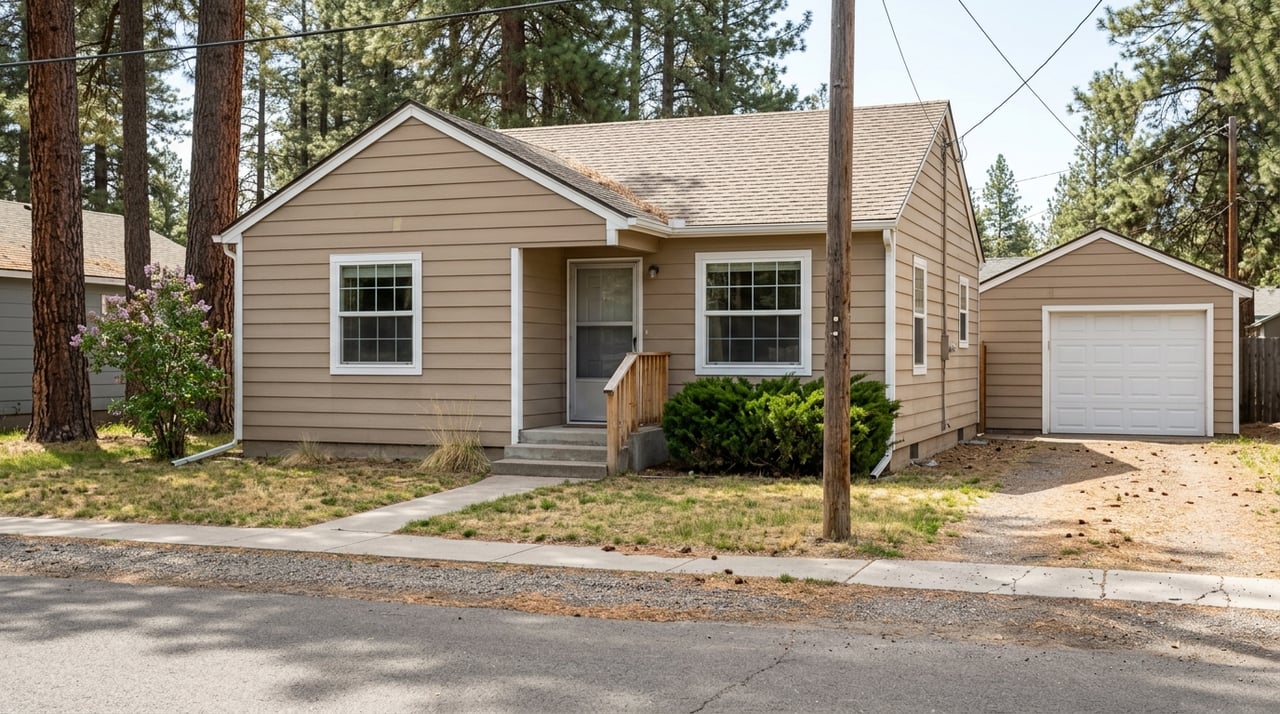
If there is one practical issue to keep in mind, it is housing supply. Hot Springs may be appealing for lifestyle, scenery, and services, but inventory can be limited.
The City of Hot Springs housing page includes local housing resources, a relocation guide, and past housing studies. That alone signals that housing availability is an active local issue.
South Dakota News Watch also reported in 2024 that local employers had lost workers because suitable housing was hard to find, and even the city administrator was commuting from Rapid City due to limited options. For you as a buyer, that means it is smart to move quickly on well-matched properties and to work with someone who understands the local inventory picture.
Hot Springs often appeals to people who want more than scenery alone. It can be a strong fit if you are looking for a town with character, practical services, and a slower daily pace.
You may appreciate Hot Springs if you are looking for:
It may require more thought if your top priorities are abundant housing inventory, a large job market, or a busier urban-style social scene. Like any move, the best fit comes down to how you want your day-to-day life to feel.
Compared with some other Southern Black Hills communities, Hot Springs has a distinct mix of historic identity, wellness roots, civic infrastructure, and recreation access. It feels less like a town built only around visitors and more like a place shaped by long-term residents and essential services.
That does not mean it is the right fit for everyone. But if you want a Southern Black Hills location that offers character, healthcare access, outdoor variety, and a sense of place, Hot Springs deserves a serious look.
If you are considering a move to Hot Springs or anywhere in the Southern Black Hills, working with a local expert can help you weigh lifestyle fit, property options, and timing. When you are ready to explore the area, Amanda Carlin can help you navigate the market with local insight and personalized guidance.
Our deep local expertise and commitment to our clients ensure a smooth and informed real estate journey. We're here to guide you every step of the way, sharing insider knowledge on the best neighborhoods, schools and local gems.