Second-Home Options Near Rapid City And The Black Hills
May 7, 2026
May 7, 2026
Looking for a second home near Rapid City and the Black Hills can feel exciting and a little complicated at the same time. You may be picturing easy weekends near the hills, extra space for guests, or a property that can work for personal use now and rental potential later. The good news is that this region offers several solid options, and the best fit often comes down to how you plan to use the home. Let’s dive in.
Rapid City stands out because it gives you a practical home base with quick access to some of the Black Hills’ best-known destinations. Official tourism materials highlight its location near Mount Rushmore, Crazy Horse Memorial, Custer State Park, and Badlands National Park, along with year-round events, major highways, and Rapid City Regional Airport as the area’s air hub.
For a second-home buyer, that mix matters. You can enjoy city services and travel convenience while staying close to recreation, sightseeing, and seasonal events. If you expect to use the property often or host visitors, that balance can make ownership much easier.
The right property depends on how hands-on you want to be and what kind of Black Hills experience you want when you arrive.
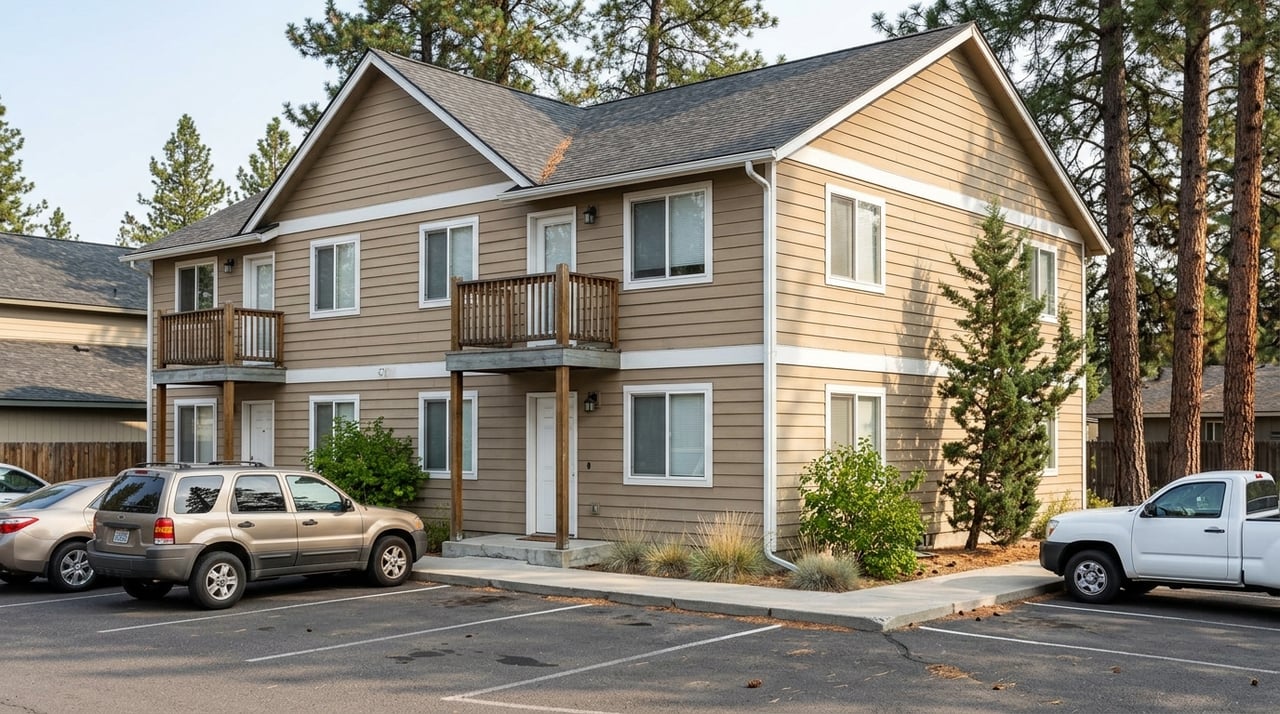
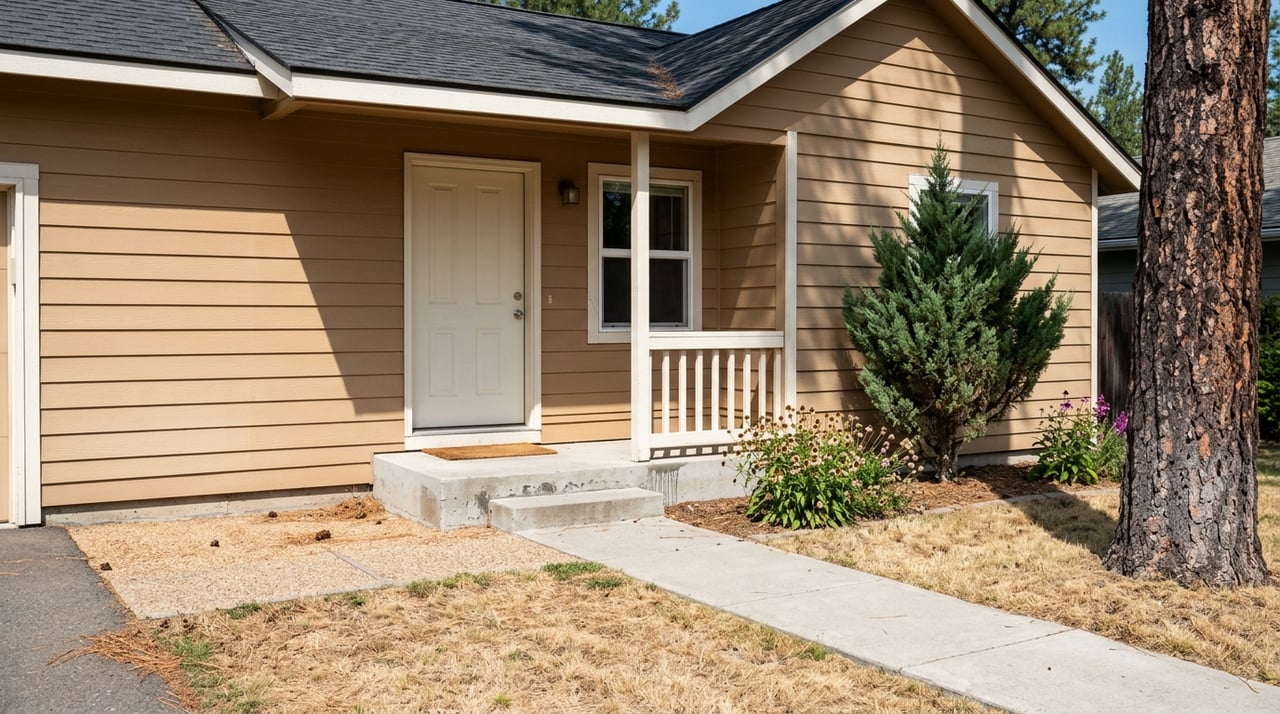
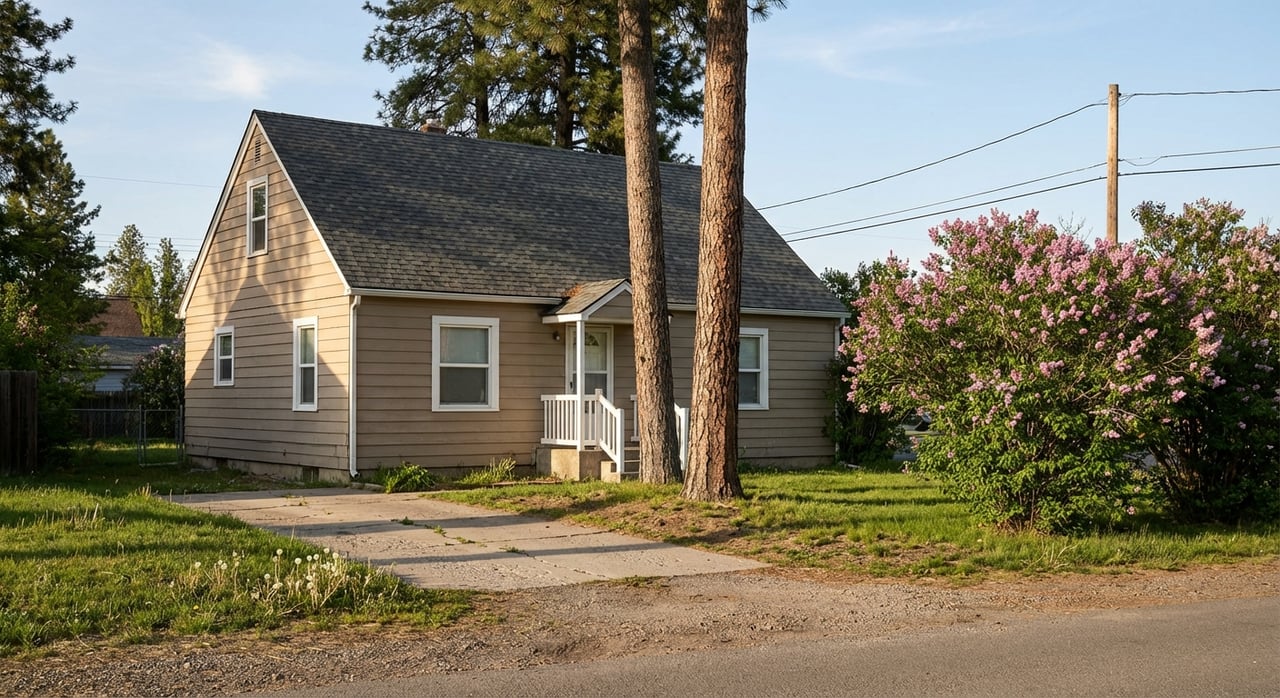
If you want the simplest ownership experience, an in-town condo, townhome, or low-maintenance house is often the easiest place to start. These properties usually keep you close to grocery stores, restaurants, airport access, and routine services, which can be helpful if you split time between homes.
They can also reduce some of the challenges that come with rural ownership. In Rapid City, the city handles formal snow removal, though owners are still responsible for clearing snow and ice from sidewalks fronting their property. That means even a lower-maintenance property still needs a plan when you are away.
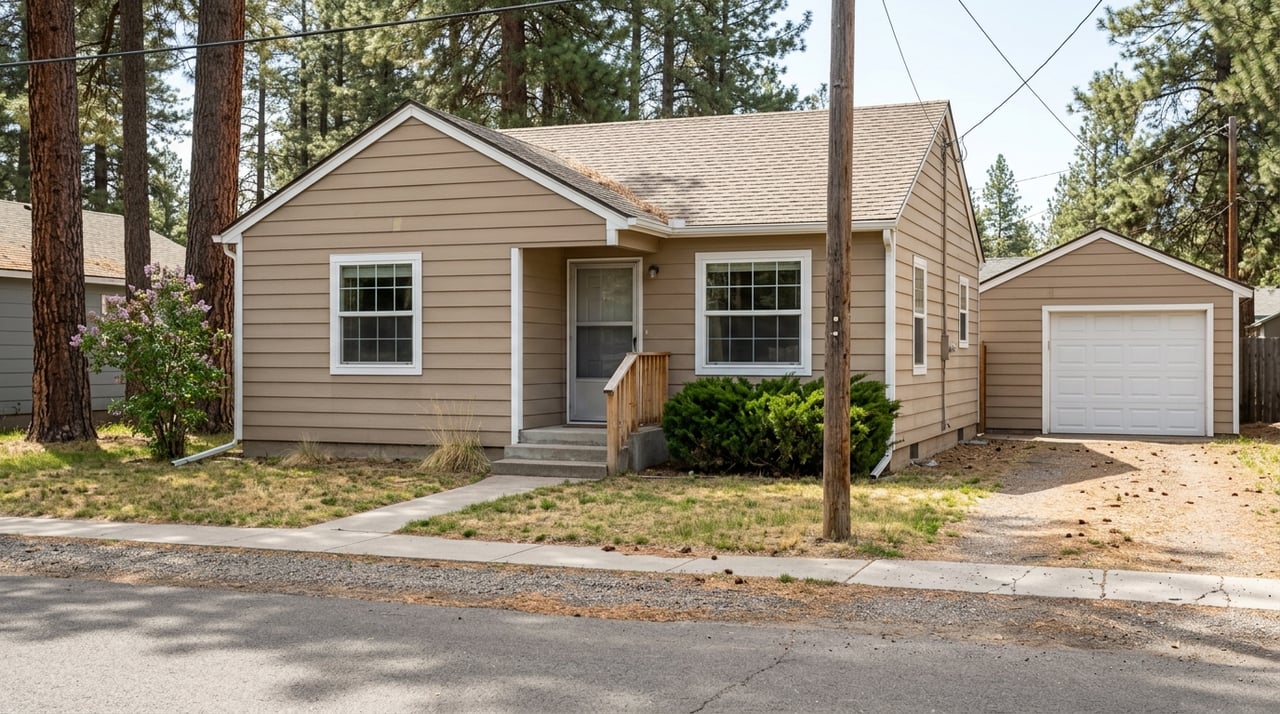
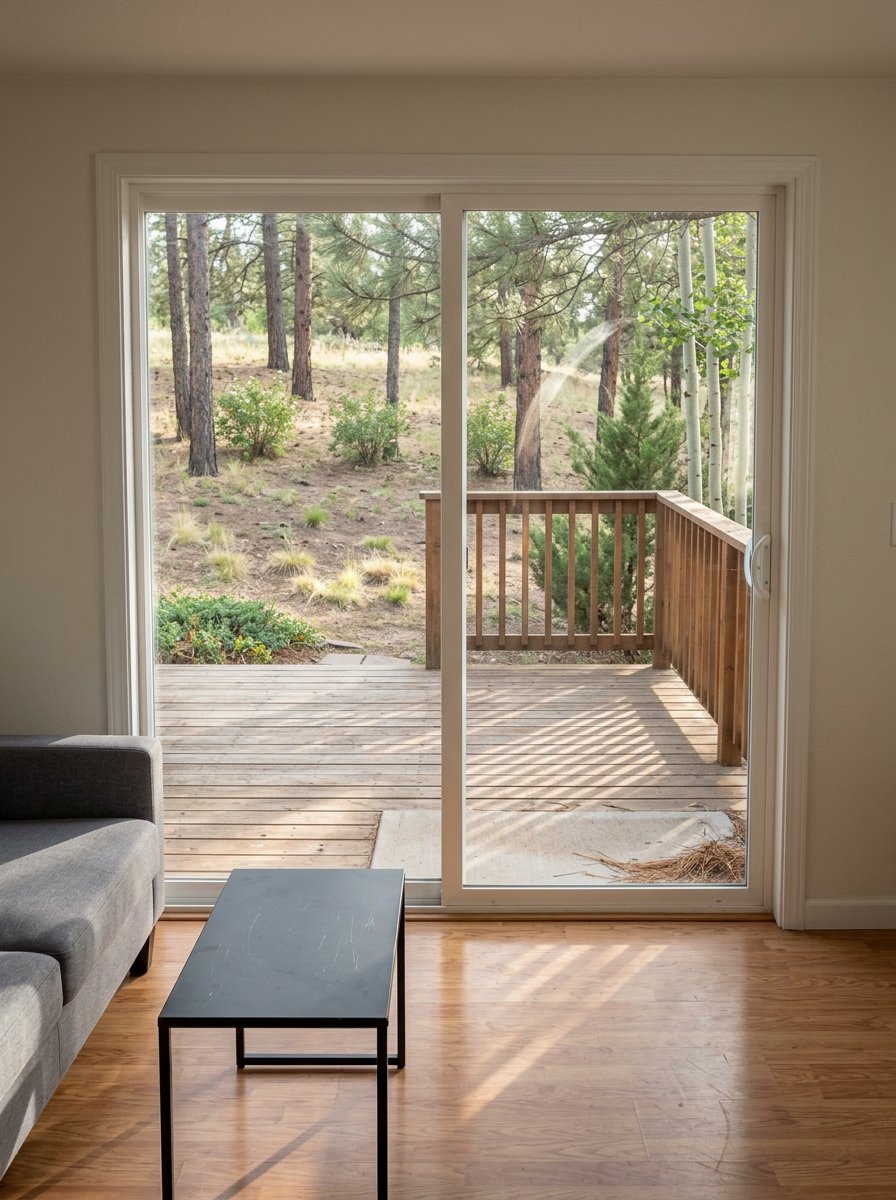
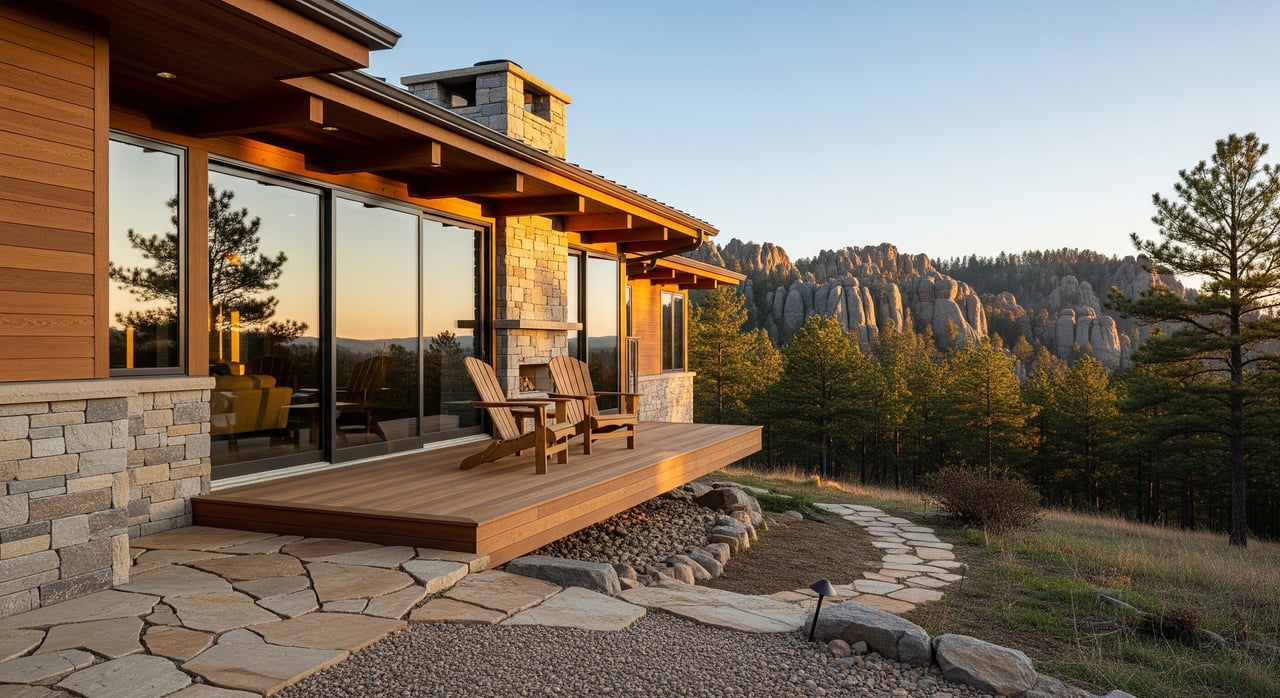
If your goal is a more scenic, recreation-focused getaway, cabins and vacation homes in the Southern Hills can be appealing. These properties often offer a stronger sense of retreat and a closer connection to trails, forested areas, and small-town Black Hills living.
Still, rental rules vary a lot by town. In Custer, hosted short-term rentals in residential zones are allowed only when the owner is physically present, with one hosted short-term rental per parcel, the rental portion limited to 80 percent of the total habitable area, and accessory dwelling units excluded from hosted short-term rental use. In Hill City, nightly vacation rentals are permitted in commercial Division 3 zones, while accessory dwelling units cannot be used for short-term or bed-and-breakfast rentals and may only be rented month-to-month or longer.
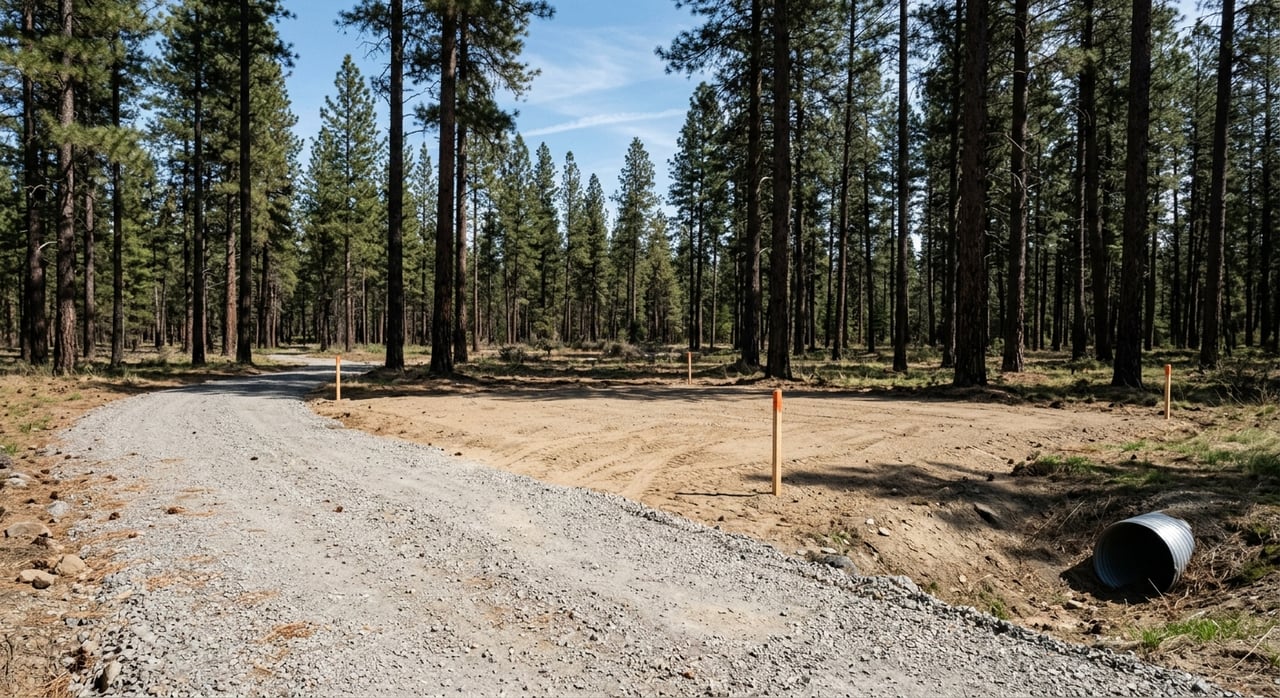
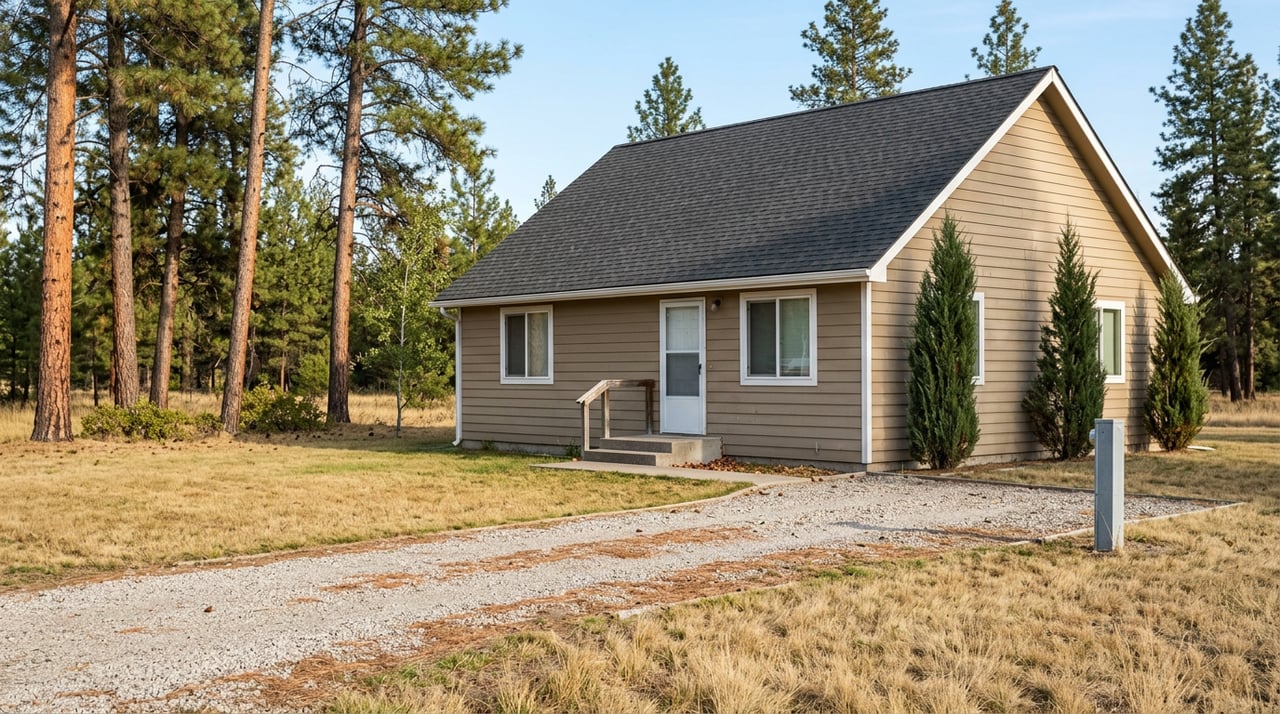
If you want room to spread out, a rural home or small acreage may offer the most lifestyle flexibility. This type of property can give you privacy, space for outdoor use, and a stronger land-and-lifestyle feel that many second-home buyers want in the Black Hills.
It also comes with more moving parts. Custer County says it currently has no zoning or building codes, but it still requires septic permits and approach permits to start construction and receive an address. The county also notes that its highway department maintains 400 miles of gravel road and 5 miles of asphalt road, which is a useful reminder that access, maintenance, and road conditions should be part of your decision.
A second home is not just about location. It is also about how easy the property will be to manage when you are not there.
Winter access is one of the biggest practical issues in this market. Rapid City requires owners to keep sidewalks clear, and Custer requires residential sidewalks to be cleared within 24 hours after snowfall stops.
For homes outside town, the question gets bigger than sidewalks. Custer County’s Home Check Program applies only to residential properties with winter maintenance performed, which shows how important plowing and safe access can be for a home that sits vacant for stretches of time.
Utility type can shape your ownership experience more than many buyers expect. In town, public works departments in places like Hill City and Custer maintain systems such as streets, water mains, sewer mains, wells, wastewater service, and snow removal.
Outside town, you may be dealing with on-site wastewater and other private systems. Custer County requires septic permits for on-site wastewater systems, and Pennington County’s vacation home rental rules require wastewater documentation and operating licenses where on-site systems are used. Before you buy, it is smart to confirm exactly what serves the property and what maintenance responsibilities come with it.
If you are drawn to cabins or acreage, make sure you understand the care the property will need between visits. Larger parcels can require regular exterior upkeep, and Custer County maintains a weed and pest program for noxious weed control.
Fire-related rules may also apply depending on location and use. Pennington County states that vacation home rentals in the Black Hills Area Fire Protection District must obtain all permits required by South Dakota law and regulation before fire is used on the property. Even if you are not planning to rent right away, understanding district requirements early can help you avoid surprises.
This is one of the most important questions buyers ask, and the answer is very specific to the property’s location. Near Rapid City and the Southern Black Hills, you should never assume one town or county follows the same rules as another.
Rapid City allows smaller-scale short-term rentals with a short-term rental permit. Bed-and-breakfast facilities with two or fewer sleeping rooms and vacation home rentals with three or fewer sleeping rooms can operate with that permit.
Larger rentals need a conditional use permit in addition to the short-term rental permit. If occasional income is part of your plan, the real question is whether the property’s size and proposed use match the city ordinance.
Outside incorporated municipalities, Pennington County allows vacation home rentals in agricultural, commercial, and residential zones. The county defines a vacation home rental as a home, cabin, or similar unit rented daily or weekly for more than 14 days in a calendar year when the owner or manager does not occupy it during the rental period.
There are several key limits. The county allows one vacation home rental per lot, caps the dwelling at five bedrooms, and sets occupancy at 14 people or the size limit of the on-site wastewater system, whichever is smaller. It also requires a local contact within 50 miles, a current South Dakota Department of Health inspection report, a South Dakota sales tax license, and a South Dakota Department of Health lodging license, with license renewal on a three-year cycle.
Custer and Hill City are good examples of why local research matters. Custer allows hosted short-term rentals in residential zones only under owner-occupied, on-site conditions, while Hill City directs nightly vacation rentals to commercial Division 3 zones and does not allow accessory dwelling units to be used for nightly rental use.
That means a property that seems perfect on paper may not fit your actual plan. For many buyers, zoning and occupancy rules carry just as much weight as views, square footage, or lot size.
Local approval is only one part of the picture. South Dakota treats vacation homes as lodging establishments for licensing purposes through the Department of Health.
The South Dakota Department of Revenue also says lodging-related operations can involve sales tax, municipal tax where applicable, and the state tourism tax. So even when a use is allowed locally, a rental may still require separate state registration and licensing before operation.
A second home purchase tends to go more smoothly when you match the property to your actual use plan early. If you are considering a condo in town, your checklist may be fairly simple. If you are considering a cabin or acreage, your due diligence should go deeper.
Here are a few practical items to verify before moving forward:
If the home may be vacant often or used as a rental, local support becomes especially important. Pennington County even requires a local contact within 50 miles for vacation home rentals outside city limits.
There is no single best second-home option near Rapid City and the Black Hills. The best choice depends on what you value most when you walk through the door.
If you want convenience and easy upkeep, an in-town home or condo may be the strongest fit. If you want a getaway feel, a cabin in the Southern Hills may line up better. If you want space, privacy, and a true land-based lifestyle, a rural home or acreage may be worth the added planning.
The key is to balance the dream with the details. When you understand access, utilities, upkeep, and rental rules before you buy, you can make a decision that feels good both on paper and in real life.
If you are exploring second-home options in Rapid City, Custer, Hill City, or the surrounding Black Hills, local guidance can save you time and help you focus on properties that truly fit your plans. For thoughtful, place-based help with buying, selling, or evaluating lifestyle property in the Southern Black Hills, connect with Amanda Carlin.
Our deep local expertise and commitment to our clients ensure a smooth and informed real estate journey. We're here to guide you every step of the way, sharing insider knowledge on the best neighborhoods, schools and local gems.