Preparing Land Near Custer To Sell For Today’s Buyers
May 14, 2026
May 14, 2026
Wondering why some land listings near Custer get strong attention fast while others sit with little activity? In today’s market, buyers want more than pretty views and a rough idea of acreage. They want clear answers about access, boundaries, buildability, and what it will take to turn a piece of ground into a real plan. If you are thinking about selling land near Custer, a little preparation can remove buyer guesswork and help your property stand out from day one. Let’s dive in.
Land buyers in the Custer area are often buying with a future use in mind. They may want a homesite, a getaway cabin, a small acreage lifestyle, or a recreational base near the Black Hills. That means they usually ask very practical questions early in the process.
The biggest concerns tend to be buildability, legal access, boundary lines, water, septic feasibility, and whether the parcel has a usable homesite or driveway approach. When those details are unclear, buyers may pause, lower their offers, or move on to another property. When those details are documented, the land feels easier and safer to purchase.
That matters because the land market is still active. According to the 2023 Land Market Survey, land sales grew by 1.2%, and many sales in this region close in about 30 to 45 days. In other words, buyers are out there, but they are moving toward listings that make due diligence easier.
Before you think about photos, signage, or pricing, gather the documents a buyer will likely want to review. This is one of the simplest ways to make your listing stronger.
Start with your deed and any recorded documents tied to the parcel. In Custer County, proof of ownership is required before permits are issued, and the county also checks recorded access as part of its review process. If you have those records organized upfront, you save time later.
If you already have a survey or plat, pull that too. Buyers often use surveys and plats to confirm property lines, lot dimensions, easements, rights-of-way, nearby streets, and flood-zone issues. These documents can also help verify acreage and show features like fences, driveways, or terrain that may affect a future homesite.
Access can make or break a land sale near Custer. A beautiful parcel is much harder to sell if buyers are unsure how they legally get to it or what it will take to build a usable approach.
Custer County requires verified recorded access before permits are issued. The county also has a permit system for approaches, and approach permits must be obtained before construction. One approach is allowed per parcel unless a secondary approach is approved.
If your parcel already has an approved or completed approach, gather that paperwork. If access still needs work and you are considering improvements before listing, plan ahead. The county notes that local contractors can be booked several months out, and a 911 address is assigned only after the approach is completed and passes final inspection.
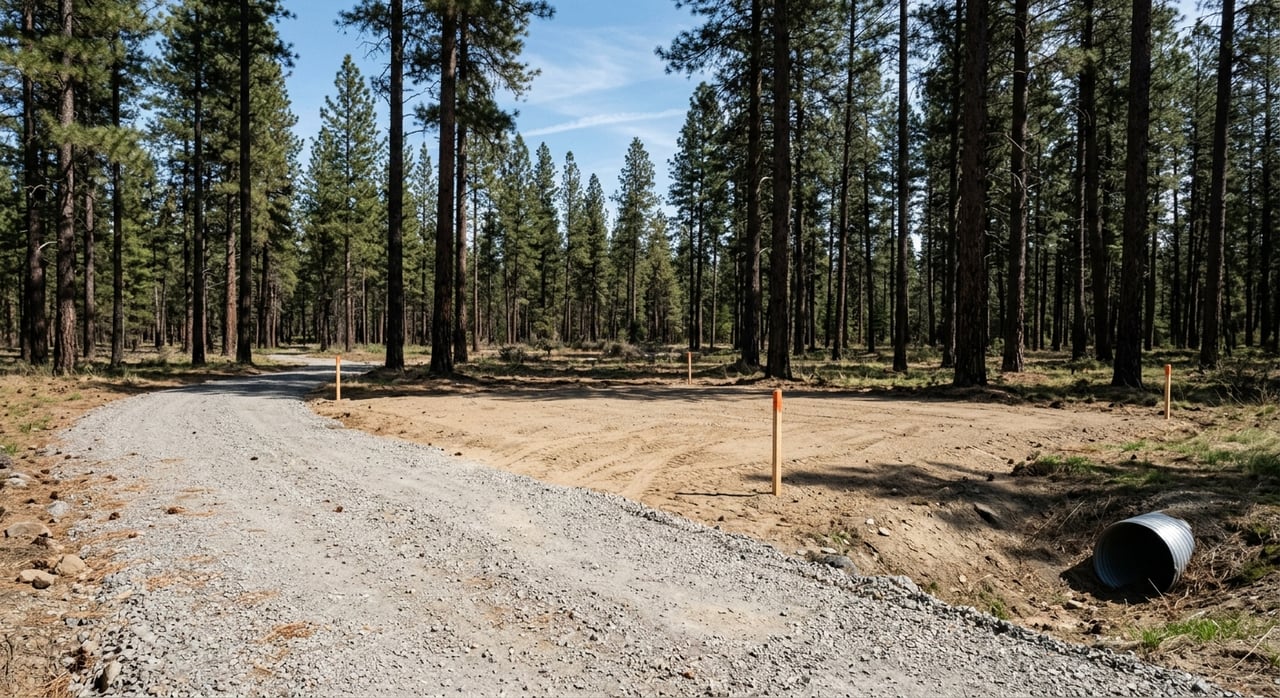
A buyer will also want to know what the county expects for approach construction. County specs call for a 24-foot road base and driving surface, a 25-foot shoulder radius, 4 inches of gravel, and an 18-inch minimum culvert where drainage structures are needed. Even if you are not building the approach yourself, knowing these basics helps you present the property more clearly.
For many land buyers, water and wastewater questions come right after access. If you can answer those questions with real documentation, your parcel becomes easier to evaluate.
In Custer County, wastewater disposal permits are required before installing or replacing a system. Percolation tests must be completed by a certified installer, and only state-certified installers may install or repair systems. The county also requires inspection before the system is covered.
If you have existing septic records, perc test results, or installer reports, keep them ready. County inspection reports must include a sketch showing the tank, drainfield, laterals, and distances to wells, roads, driveways, utilities, and property lines. Those details help buyers understand whether the parcel has already cleared major hurdles.
Water matters too. South Dakota says domestic household use generally does not require a water-right permit unless use exceeds 25,920 gallons per day or a peak pump rate of 25 gallons per minute. The state also requires licensed well drillers and a well completion report within 30 days, so if a well exists, that paperwork can be valuable for your listing file.
Custer County does not currently have local zoning or building codes, but that does not mean buyers can skip county requirements. The county still uses a permit system for access approaches, wastewater, building, grading, and subdivision review.
That distinction is important. Buyers often hear “no zoning” and assume the property is simple to develop, but they still need to understand the county process. Sellers who can explain what has already been done, and what still needs approval, usually create more confidence.
Building permits are required for all structures over 160 square feet, including new and used mobile or modular homes. If your parcel has an existing outbuilding, cabin shell, or other improvement, make sure you know whether permits were required and whether the records are available.
If you plan to clear or grade the land before listing, check the county rules first. Custer County requires grading permits before clearing, filling, or grading one or more acres for non-agricultural purposes, as well as for approaches, previously undisturbed parcels, flood-hazard areas, or subdivision roads.
Good land prep is about clarity, not over-improvement. You want buyers to walk the parcel and quickly understand how it could work for them.
Simple steps can make a big difference:
These small improvements reduce confusion during showings. They also support the way buyers use surveys, plats, and access information to judge whether a parcel feels usable.
Near Custer, cleanup is not just about appearance. It can also speak to stewardship of the land, especially in an area where wildfire risk is significant.
SDSU Extension reports an average of 92 Black Hills National Forest wildfires annually, with about 7,507 acres burned each year over the past 30 years. That makes defensible-space prep a practical talking point for sellers with an existing structure or a defined homesite.
Guidance from SDSU Extension and the Forest Service emphasizes a fuel-free 0 to 5 foot zone, a lean, clean, and green 5 to 30 foot zone, and thinning vegetation in the 30 to 200 foot zone. Keeping grass under 4 inches and removing dead wood and dense vegetation near structures can often be done quickly and at relatively low cost.
Even on vacant land, careful cleanup can help buyers see the terrain more clearly. It can also show that the property has been maintained with local conditions in mind.
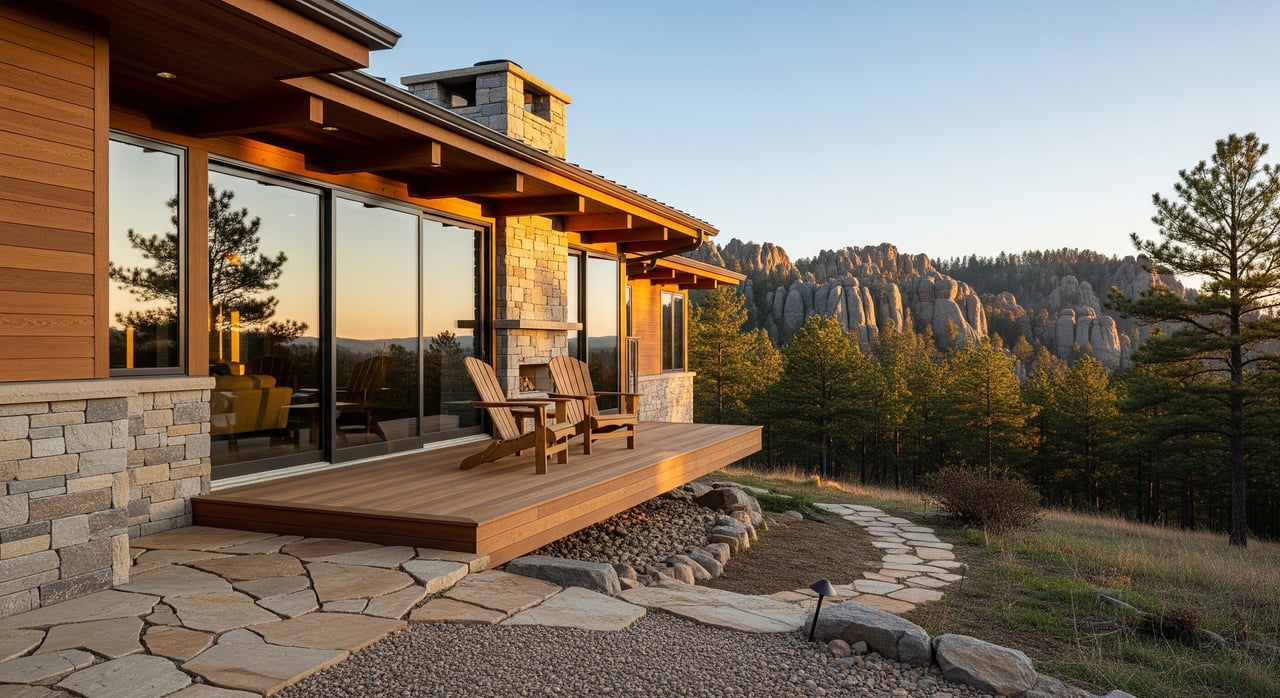
Land near Custer is rarely just about the lot lines. Buyers are often drawn to the outdoor setting and the access to recreation that defines this part of the Southern Black Hills.
Custer State Park offers scenic drives, campgrounds, hiking and biking trails, horse trails, and major annual events like the Buffalo Roundup. The broader Southern Hills-Custer area is also tied to a recreation economy built around the Black Hills National Forest, Custer State Park, and nearby parks, memorials, and monuments. The 70-mile Peter Norbeck Scenic Byway connects several of these well-known destinations.
That means your marketing should show more than an aerial boundary outline. Photos and maps should help buyers understand the parcel’s access, terrain, clearings, and setting within the local recreation landscape. For many buyers, especially relocators and second-home shoppers, they are buying both land and lifestyle.
One of the biggest mistakes land sellers make is pricing from a generic per-acre number. Buyers do not value all acres equally, especially when some parcels have stronger access, better documentation, or clearer build potential than others.
The 2023 Land Market Survey reported average land price growth of 1.9%, with ranch land prices growing more than before the pandemic. That supports a pricing strategy based on parcel-specific comparable sales and the facts a buyer can verify quickly.
If your property has recorded access, a survey, water or septic documentation, a visible homesite, or completed site prep, those details may strengthen value. If key answers are missing, buyers may factor in extra risk, time, and cost. The goal is not just to set a number. It is to support that number with evidence.
Vacant land faces more fraud risk than many sellers realize. Reported title-fraud cases have heavily involved vacant land, so sellers should take identity and closing security seriously.
This is especially important for absentee owners. Keeping ownership records current and letting the title company control closing logistics can help reduce risk. Extra caution is wise when a transaction involves urgency, unusual communication patterns, or pressure for remote arrangements that bypass normal safeguards.
Common red flags include below-market pricing, a strong cash-only push, out-of-state communication with limited verification, and self-arranged remote notaries. Clean records, clear communication, and a careful closing process help protect both you and your buyer.
If you want to sell land near Custer in today’s market, the strongest approach is usually a simple one. Reduce uncertainty before the property goes live.
A practical launch sequence looks like this:
That sequence fits how buyers evaluate land and how the county process works. It also helps your listing feel more complete from the start.
Selling land in the Custer area is not about making big promises. It is about presenting a property honestly, clearly, and with the right local information in hand. When you reduce guesswork around access, boundaries, water, wastewater, and site readiness, you give buyers more confidence to act. If you are getting ready to sell acreage, a lot, or a recreational parcel near Custer, working with a local land specialist can help you position it well from the beginning. Reach out to Amanda Carlin for thoughtful guidance and professional listing support.
Our deep local expertise and commitment to our clients ensure a smooth and informed real estate journey. We're here to guide you every step of the way, sharing insider knowledge on the best neighborhoods, schools and local gems.