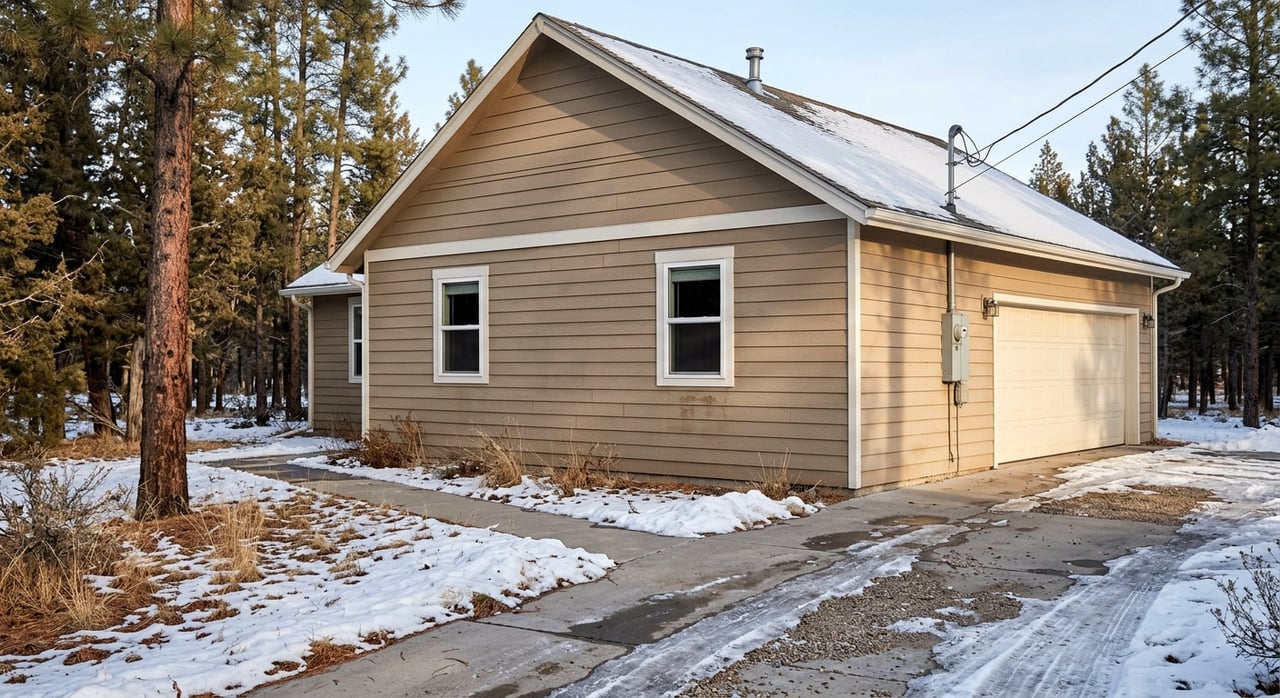
Year-Round Living In Hill City SD: What To Expect
July 2, 2026
July 2, 2026
If you are drawn to the Black Hills but want more than a weekend getaway, Hill City may already be on your radar. This small town offers a rare mix of everyday convenience, four-season scenery, and quick access to some of the region’s best outdoor destinations. If you are wondering what daily life really looks like here, this guide will walk you through the pace, services, seasons, and housing realities that shape year-round living in Hill City. Let’s dive in.
Hill City is not just a tourism stop. It works as a year-round community with core local services that support everyday life.
The city’s Public Works department maintains streets, water and sewer mains, water treatment, parks, the cemetery, and snow removal. Hill City also offers online utility bill payment, which adds convenience for full-time residents managing day-to-day tasks.
Development Services handles planning, zoning, plan review, and building inspections. That matters if you are buying land, considering improvements, or planning to build in or around town.
One of Hill City’s practical strengths is that you can take care of many basics close to home. The city describes Main Street as a place for travel needs, groceries, hardware, restaurants, and tourism-oriented businesses.
That does not mean you will never leave town for larger shopping trips, but it does mean you are not starting from zero. For many buyers, that balance is part of the appeal of living in a smaller Black Hills town.
Hill City also has a public library and the Hill City Center community space. The library is open Monday through Friday from 8 AM to 5 PM and Saturday from 9 AM to 2 PM, with physical materials plus e-books and audiobooks.
Public safety is handled through the Pennington County Sheriff's Department, with three deputies serving Hill City and the surrounding area. Hill City VFD is also listed among Pennington County’s volunteer fire departments.
For households thinking about long-term roots, Hill City School District 51-2 operates elementary, middle, and high school in town. That local school presence is one reason Hill City can function as a primary residence community, not only a vacation market.
Living in Hill City means adjusting to a true four-season climate. According to NOAA climate normals, January has a mean temperature of 25.1°F, while July averages 66.7°F.
Annual precipitation is 22.37 inches, and annual snowfall averages 66.6 inches. In simple terms, winter weather is part of life here, and snow management should be part of your plan as a homeowner.
If you are relocating from a milder climate, this is one of the biggest lifestyle shifts to understand early. Winter in Hill City can be beautiful, but it asks for preparation, flexibility, and realistic expectations.
Snow removal is not an occasional issue in Hill City. It is one of the city’s core Public Works duties, which reflects how important winter operations are for the community.
For residents, that usually means thinking through access, vehicles, driveways, and maintenance before snow season arrives. If you are shopping for property, practical winter questions can matter just as much as views or lot size.
This is especially true if you are considering acreage, a sloped site, or a home outside the most central parts of town. A beautiful setting often comes with a few more moving parts in winter.
Summer is the busiest season in Hill City. Tourism rises, community events pick up, and the town takes on a more active rhythm.
The 1880 Train regular season begins May 9 in 2026, with special events that include Wine Express, Oktoberfest, Old West Shootouts, and holiday rides later in the year. Travel South Dakota also highlights events such as the Hill City Art Walk, Sculpture in the Hills, Hill City Wine, Brew & BBQ, and the Mickelson Trail Summer Trek.
For some buyers, this seasonal energy is a major plus. For others, it is something to weigh carefully, especially if you prefer a quieter pace during peak travel months.
One of the best ways to understand year-round life in Hill City is to recognize that not every month feels the same. The shoulder and winter seasons are more weather-dependent, and some nearby recreation systems have seasonal limits.
Custer State Park stays open year-round, but it notes that showers, flush toilets, and some water systems may close between October 1 and April 30. The nearby Newton System is listed as mostly open from May 15 to December 15.
That does not mean life slows to a stop. It simply means that access, routines, and recreation options can shift with the calendar and the weather.
If you are planning a move to Hill City, the housing picture deserves close attention. The city’s housing study reported 388 occupied households in 2020, 481 total housing units, and 93 vacant units.
The same study also notes that some housing has shifted toward seasonal or recreational use. Vacation homes and seasonal employee housing can affect the supply available to permanent residents.
For full-time buyers, that means timing, strategy, and local guidance matter. A market shaped by both residents and seasonal demand can feel different from a larger town with more inventory.
In practical terms, buyers should be ready for a market where lifestyle demand influences availability. Some homes may appeal to primary residents, second-home buyers, and recreation-focused purchasers at the same time.
That overlap can make it important to move with a clear plan. If your goal is year-round living, it helps to think beyond curb appeal and focus on function, access, and how a property fits all four seasons.
This is where local perspective can be especially valuable. Knowing how a home lives in January is just as important as knowing how it looks in July.
Healthcare in Hill City is oriented toward primary care. Monument Health’s Hill City Clinic serves as a family medicine clinic in town.
For more advanced hospital care, Monument Health’s Custer Hospital is the nearby hospital option. For many residents, that setup fits the rhythm of small-town living, where everyday care is local and some higher-level services are accessed regionally.
If healthcare access is a top priority for your household, it is worth factoring that into your home search and day-to-day planning. Location within the Black Hills can shape convenience more than many buyers first expect.
Hill City’s strongest lifestyle draw may be its location. Travel South Dakota describes it as an ideal basecamp, and the town sits minutes from major Black Hills destinations.
The National Park Service says Hill City is about 13 miles from Mount Rushmore. It is also close to Custer State Park and Crazy Horse Memorial, which helps explain why the town appeals to both full-time residents and second-home buyers.
If you want daily access to scenery, trails, and public lands, Hill City has a lot working in its favor. That access is a defining part of what life here feels like.
Trail access is one of the clearest benefits of living in Hill City. The George S. Mickelson Trail runs 109 miles and includes 15 trailheads.
The Dougherty Trailhead is about 5 miles west of Hill City and connects to both the Deerfield Trail and the Mickelson Trail. For residents who enjoy biking, walking, and exploring the Black Hills landscape, that is a meaningful quality-of-life advantage.
The Newton System adds roughly 50 miles of OHV-oriented trail nearby, with most of the system open from May 15 to December 15. If recreation is part of why you are moving, Hill City makes it easy to stay connected to the outdoors.
Water recreation is also part of the year-round lifestyle mix. The Pactola Reservoir Complex is the largest and deepest reservoir in the Black Hills National Forest, with 800 acres, 14 miles of shoreline, a swim beach, boat launches, and an accessible trail.
South Dakota Game, Fish and Parks also notes that lake trout are found in Pactola and Deerfield Reservoirs. Nearby Custer State Park spans 71,000 acres and is open year-round for wildlife viewing, hiking, biking, fishing, boating, swimming, scenic drives, camping, and more.
That kind of regional access gives Hill City a broad lifestyle appeal. You can enjoy a small-town home base while still having a long list of outdoor options within easy reach.
Hill City tends to fit buyers who want a civic-minded small town with practical services and strong access to the outdoors. It can be a compelling option if you value trails, lakes, regional landmarks, and a Main Street that still supports everyday needs.
At the same time, full-time living here comes with tradeoffs. Peak tourist season brings more activity, winter requires preparation, and housing supply can be shaped by seasonal and recreational demand.
If that balance sounds right to you, Hill City offers a version of Black Hills living that feels grounded, scenic, and connected to place. And if you want help sorting through which properties truly work for year-round life, local insight makes a real difference.
If you are exploring Hill City or other Southern Black Hills communities, working with someone who understands both lifestyle fit and property realities can help you move with confidence. Reach out to Amanda Carlin for one-on-one guidance on buying, selling, or understanding what year-round living in the Black Hills could look like for you.
Our deep local expertise and commitment to our clients ensure a smooth and informed real estate journey. We're here to guide you every step of the way, sharing insider knowledge on the best neighborhoods, schools and local gems.