Pricing Acreage In The Black Hills The Right Way
December 18, 2025
December 18, 2025
Thinking about selling your land in the Southern Black Hills and not sure what it’s really worth? You’re not alone. Acreage in and around Custer can vary wildly in price because buyers value the same property for very different reasons. In this guide, you’ll learn what actually drives value here, how to avoid common pricing mistakes, and how a clear, step‑by‑step strategy can help you list with confidence. Let’s dive in.
Before you talk numbers, clarify who is most likely to buy your property. Recreational and hunting buyers, second‑home or ranchette buyers, full‑time residential buyers, timber or investor buyers, and small developers all look at the same acres differently. The right buyer pool guides your pricing and the comps you choose.
Deeded, year‑round legal access is a major value driver. Parcels without recorded access or with only seasonal or prescriptive access often sell for less or require a tailored strategy. If roads are private, buyers will ask about maintenance obligations or road agreements, so have those details ready.
In the Southern Black Hills, topography can be steep and rocky. Many parcels have fewer usable or developable acres than the gross acreage number suggests. Buyers and appraisers often price by usable acres, especially when building potential is the goal. Mapping slopes, outcrops, wetlands, and encumbrances helps you set realistic expectations.
Availability of utilities can significantly shift value. Parcels with municipal water and sewer near town typically command higher per‑acre prices than raw forested tracts farther out. Off‑grid parcels or those requiring long power extensions, wells, and engineered septic systems may see downward price adjustments. Written estimates from local providers help quantify these adjustments.
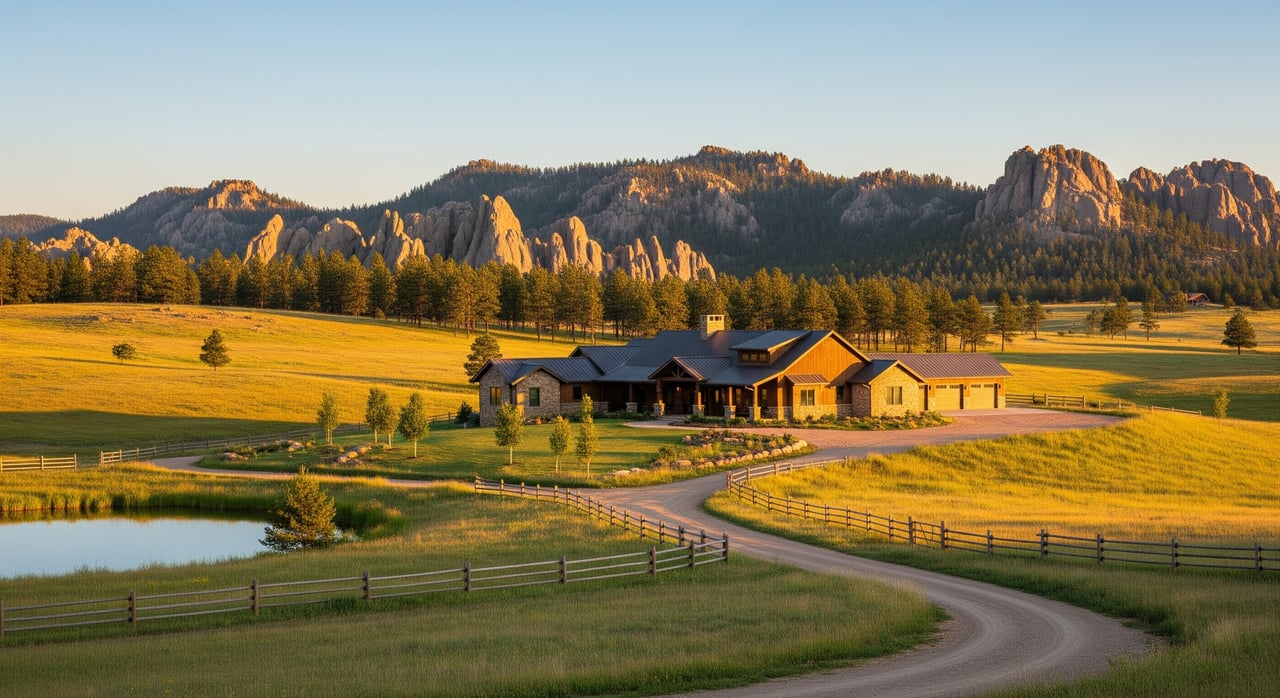
View corridors and panoramic vistas usually add a premium. Timber can add privacy and aesthetic appeal, and sometimes commercial value, but harvesting comes with regulations and access considerations. A balanced timber and meadow mix can be attractive to ranchette and recreational buyers.
Proximity to Custer, Custer State Park, Wind Cave, Mount Rushmore corridors, and major highways influences demand. Parcels closer to parks, trailheads, lakes, or well‑traveled roads often see stronger interest from recreational and second‑home buyers.
Mineral rights, easements and rights‑of‑way, covenants or HOA rules, floodplain and wetlands, wildfire risk and defensible space, hunting or grazing leases, conservation easements, and seasonality can all modify value. Documenting these items reduces surprises and builds buyer confidence.
Slopes and rock outcrops are common in 57730. Expect the usable footprint to be less than the gross acres. Buyers want to see a clear building envelope, driveway feasibility, and room for a well and septic.
Septic suitability depends on soils and depth. Perc tests or engineered systems are common where soils are shallow. Well depth and yield vary across the area, and availability of potable water is a frequent decision point. Basic septic and well documentation can boost buyer confidence and speed up deals.
Heavily forested, inaccessible parcels can face higher wildfire risk, which can affect insurability and price. Buyers often look at defensible space, egress for emergency vehicles, and general fuel conditions around potential building sites.
Wetlands, floodplain areas, and potential habitat constraints reduce usable acreage and may require permits. The Black Hills also have a history of mineral activity. Severed mineral estates or recorded mining claims can affect surface use and should be verified during title review.
Amanda starts by identifying the buyer pool that fits your property. This shapes the comps, the marketing message, and your pricing strategy.
Rather than relying on a single acreage number, Amanda walks the property and reviews topography, vegetation, and encumbrances. The result is a simple, verifiable usable‑acres calculation that buyers understand.
Using recent 12 to 24‑month sales in 57730 and closely comparable submarkets, Amanda focuses on properties with similar access, utilities, and usable acres. When comparing, recreational forested tracts are matched to recreational comps, and buildable parcels with hookups are matched to similar lots.
Adjustments are made for access status, utility availability, buildable acreage, views, timber, location, and any encumbrances such as easements or mineral reservations. When possible, Amanda ties adjustments to actual costs, like the quoted price to extend power, then spreads that cost across the benefiting acres.
If the land has grazing or hunting leases, lease income can support value under an income approach. If timber is potentially merchantable, a timber estimate helps. For improved acreage, replacement cost minus depreciation offers another lens to validate the range.
You receive a clear low‑to‑high range with a recommended listing price. Amanda explains the tradeoffs between pricing right at market or just below to invite competition. You also get realistic expectations about time on market, which is often longer for rural acreage.
Amanda prioritizes low‑cost, high‑impact items that lift net proceeds. Examples include a perc test, a survey, a visible building pad, improved access or driveway work, and professional aerial and mapping visuals.
Marketing highlights verified strengths such as usable acres, legal access, views, and proximity to parks and highways. Aerials, elevation profiles, drive‑through videos, and clear maps help buyers understand the land before they set foot on it.
Compile a neat package with your survey, perc results, well information, HOA covenants, road agreements, leases, and any timber or harvest history. Clear documentation reduces buyer friction and can shorten escrow.
Per‑acre rules of thumb often fail in Custer’s terrain. Price by usable acres and building potential to avoid overpricing.
Historical use does not always equal recorded legal access. Verify access in title work to prevent surprises.
Extending power, drilling a well, or installing an engineered septic system takes time and money. Written estimates help you make accurate price adjustments.
Timber adds privacy and beauty, but merchantable volume is what matters for income. A simple assessment prevents misunderstandings.
Easements, covenants, mineral reservations, and floodplain or wetlands all impact use and value. Disclose early and price accordingly.
Ready to talk strategy for your acreage in or near Custer? Connect with Amanda Carlin for a custom analysis that turns usable acres, access, utilities, and views into a clear pricing plan.

Our deep local expertise and commitment to our clients ensure a smooth and informed real estate journey. We're here to guide you every step of the way, sharing insider knowledge on the best neighborhoods, schools and local gems.